


Industrial News·Friday, January 4, 2019
U.S. adds record number of manufacturing jobs in 2018
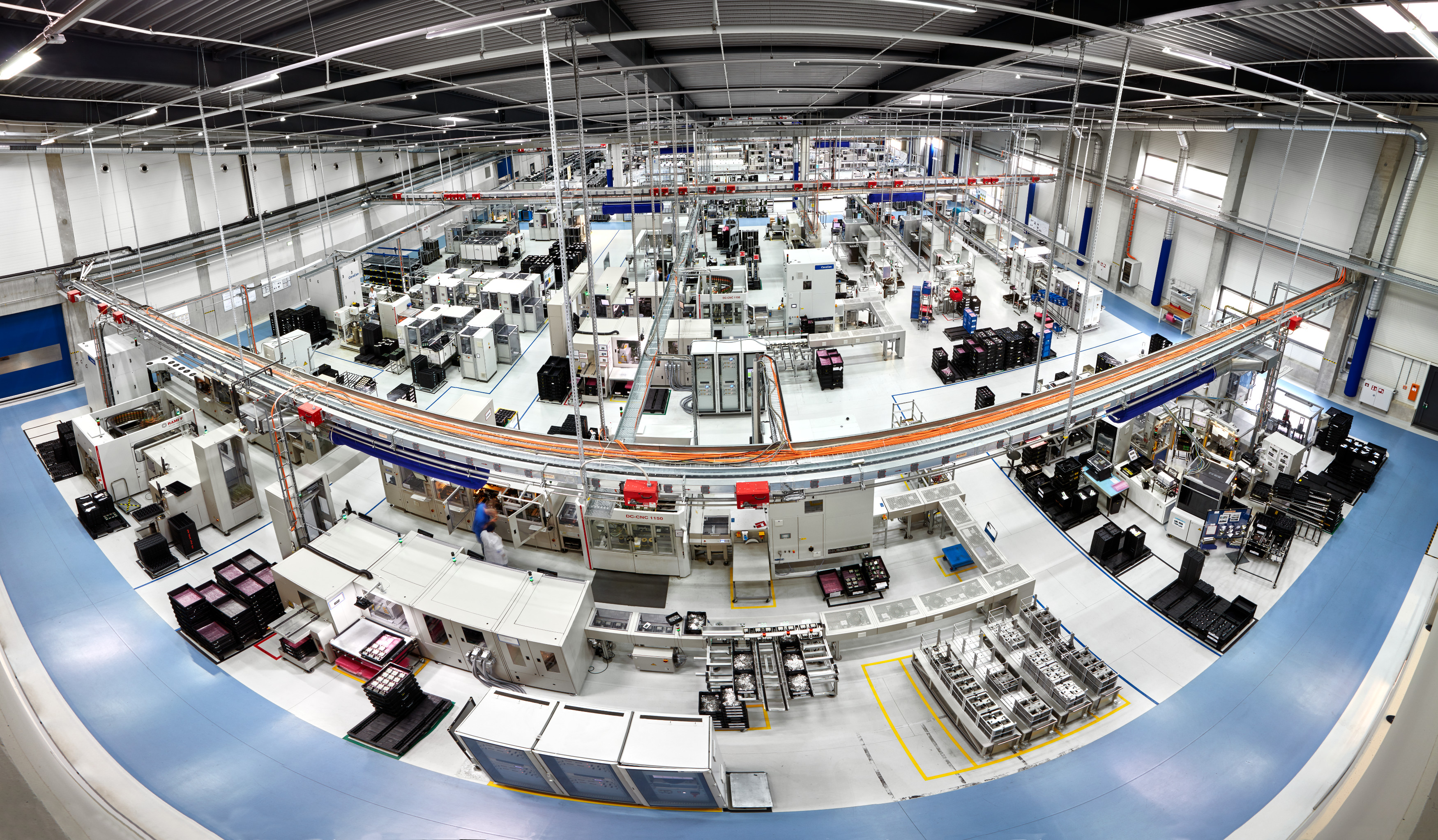
The U.S economy added 312,000 jobs in December, while the unemployment rate rose to 3.9%, as more workers entered the labor force, according to a report released today by the Bureau of Labor Statistics. The nation's manufacturing sector once again added a significant number of jobs, up 32,000 in the month of December alone. Durable goods manufacturing accounted for a notable share of jobs, up 19,000. Of these 19,000, fabricated metal products added 7,000 jobs, and electronic products added 4,000 positions. The grand total of factory jobs gained over the year totaled 284,000 -- with three-fourths of these positions in the durable goods category. This adds to the 207,000 manufacturing jobs the Bureau of Labor statistics reported the nation gained in 2017.
Industrial News·Thursday, January 3, 2019
U.S. manufacturing activity sinks to two-year low
U.S. manufacturing activity slowed to its lowest level in two years according the Institute for Supply Management's latest survey of manufacturing executives. The ISM's Manufacturing Report on Business shows the sector's activity now stands at 54.1%, down 5.2% from November's reading of 59.3%. The index tanked at a rate not seen since 2008 -- though it should be noted that the sector is still in expansion mode (any reading above 50 indicates expansion). Executives surveyed by the ISM reported a significant drop in new orders, while production and employment cooled significantly.
Industrial News·Thursday, January 3, 2019
The largest precision tooling companies in the U.S.
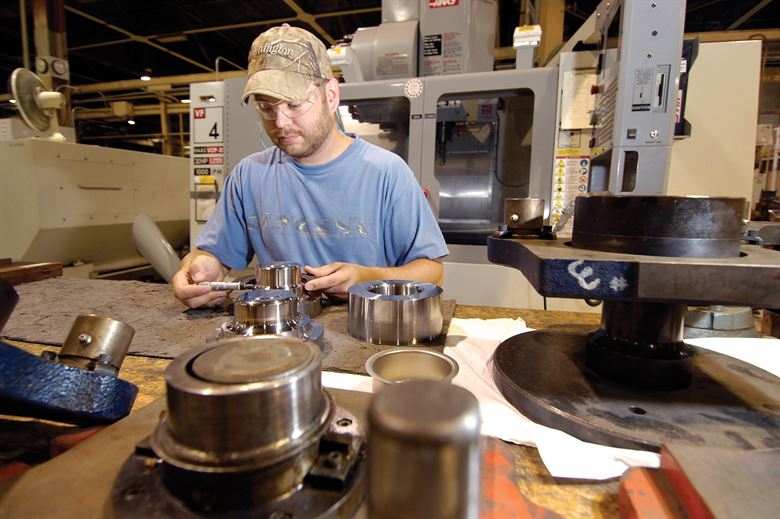
Precision tools and tooling share a symbiotic relationship with the rest of the manufacturing industry. Precision tools create various structures and parts by a subtractive process, while precision tooling refers to the molds that allow non-metallic materials such as plastic to be formed into complex shapes. All industries that are not completely digital rely on some form of precision tools or tooling. Despite sales of $1.93 billion, precision tooling saw a rather low 12-month increase in sales, reaching only 0.22 percent compared with 8.29 percent industry-wide. This can be tied to this sector's higher dependence, up to 40 percent, on international distribution and the uncertainty associated with trade tariffs. The economic back and forth between the United States and China is definitely playing a role in keeping this sector from seeing the same growth that has graced the industry overall.
Industrial News·Wednesday, January 2, 2019
New trends in precision tooling
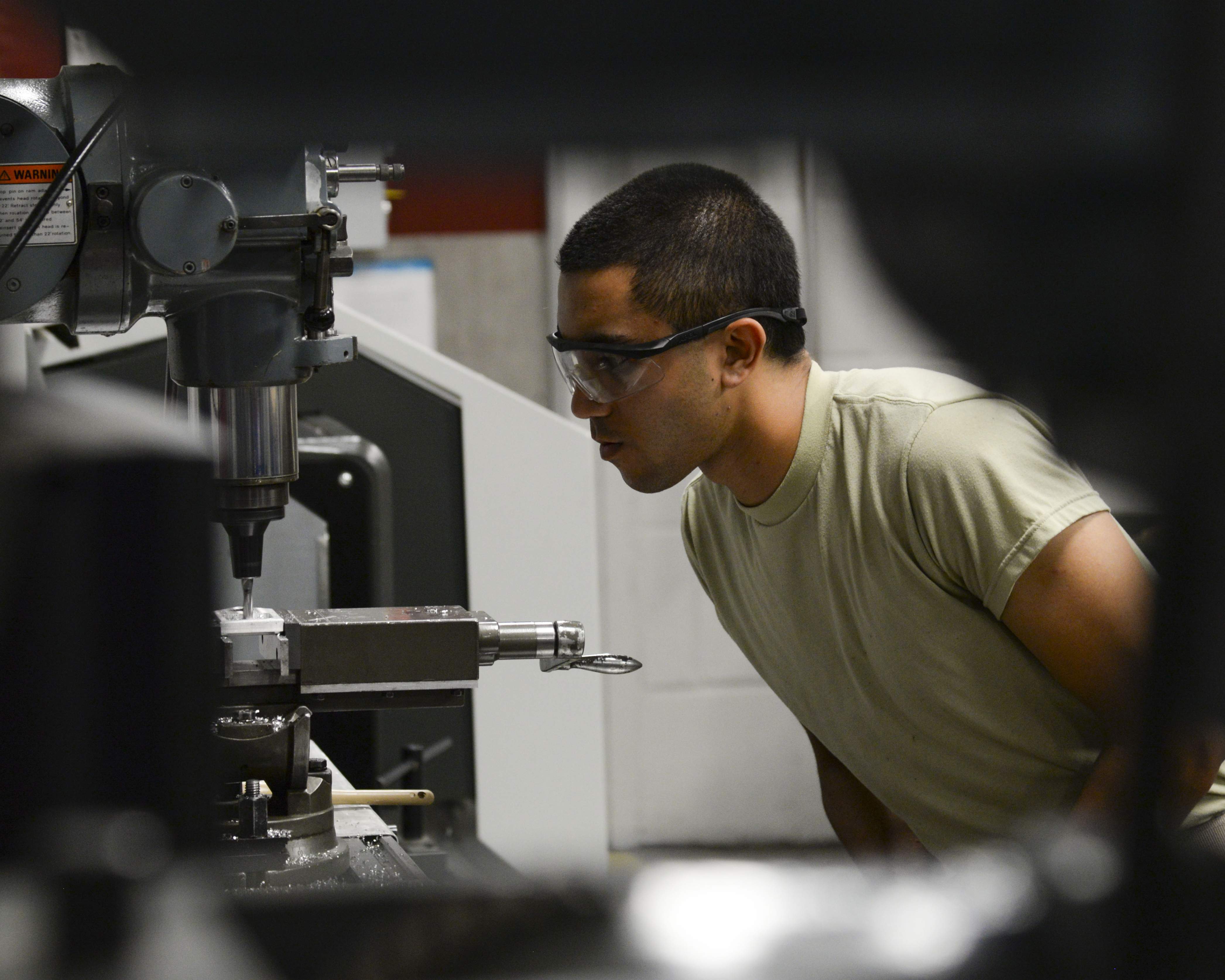
Precision tools are used to cut and shape metal into various products, while precision tooling refers to the molds and jigs used to form and shape objects of different materials such as plastics and composites. This sector of manufacturing is heavily affected by the release of new products, new vehicles and other technological developments. Any industry that produces physical products has a need for precision tooling. Producers of tech devices, medical implants, airplanes, motor vehicles and various appliances all consider these suppliers as integral to the creation and production process.
Industrial News·Wednesday, December 19, 2018
IndustryNet's top manufacturing stories of 2018
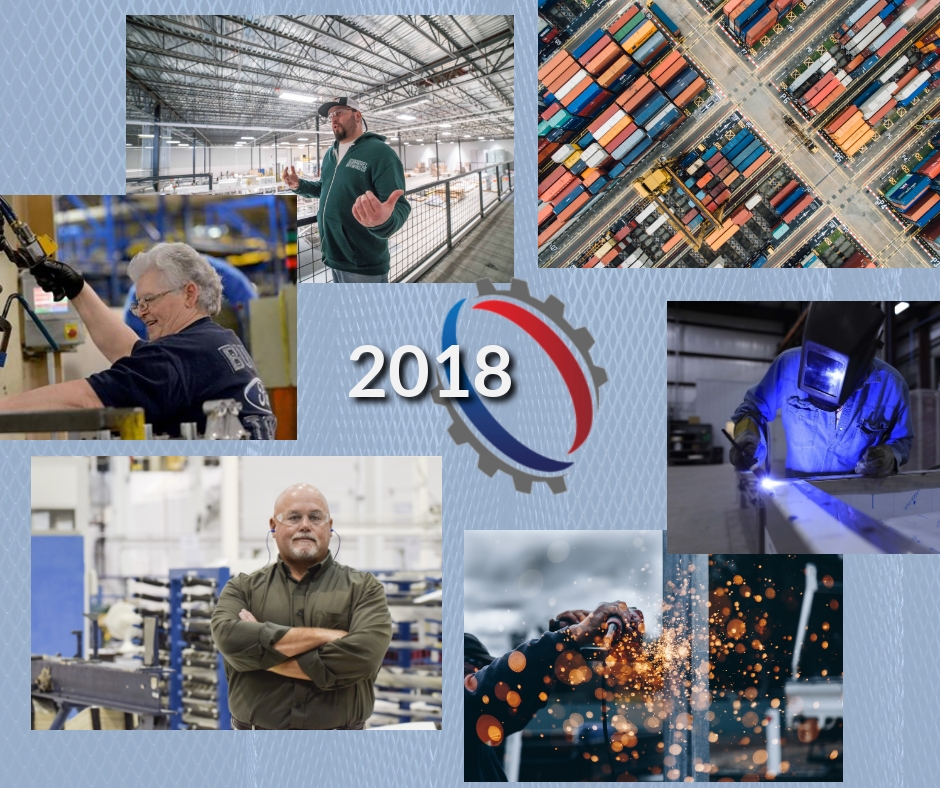
2018 was a big year for manufacturing (you might even say it was "yuge"). As early as January, manufacturing firms were scrambling to sort through the newly-passed tax reform, and shortly thereafter the USTR announced its first tariffs on solar panels and washing machines (remember when it was just solar panels and washing machines?) Manufacturing in the U.S. continued to expand at a hectic pace, with new orders, production, and employment posting robust gains. Raw material costs began to skyrocket as tariff action between China and the U.S. intensified and the threat of a trade war loomed. The trade gap widened and imports surged as companies rushed to procure supplies from China in advance of the 25% tariffs set to go into effect January 1st, 2019 (these were since delayed until March).
Industrial News·Monday, December 17, 2018
Tariff truce reached as industrial production edges up
A number of new reports out this week point to a manufacturing sector that is steadily growing -- albeit at a slower pace. Industrial production edged up, while a new reading on manufacturing activity finds that new orders rose at its fastest rate in six months. On the trade front, tariffs remain a top concern for manufacturing executives, though a 90-day truce between China and the United States has given the sector a little breathing room, and inspired a surprise move from China.
Industrial News·Thursday, December 13, 2018
Tariffs, labor, prices: What U.S. manufacturers are saying about business conditions this month
A number of new reports out this month point to a growing manufacturing sector, though optimism among supply executives has been tempered by looming tariff deadlines and a challenging labor market. The Institute for Supply Management's November Report on Business shows U.S. manufacturing activity surged over the month, and now stands at 59.3%, up 1.6% from October's reading of 57.7%. Purchase managers surveyed by the ISM reported increased orders, even as the impact of tariffs on supply chains loomed large and skilled employees hard to find. Notable increases were seen in the new orders and production levels, with those indices well in expansion territory. The ISM's Prices Paid Index sank 10% in November, after hitting record highs for several months. Although prices are still in expansion, with that index at 60.7, November's reading is the lowest reported by the ISM since June of 2017. "Comments from the panel reflect continued expanding business strength," said ISM Chair Timothy Fiore. "Demand remains strong, with the New Orders index rebounding to above 60 percent." Fiore went onto describe that production and employment expanded at a faster rate in November, and that prices had finally begun to soften after months of increases, especially in metals. Labor & tariffs, a consistent theme among manufacturing executives
State News·Wednesday, December 12, 2018
South Carolina manufacturing job growth gains momentum
According to new data compiled by MNI, publisher of the U.S. industrial data that powers IndustryNet, South Carolina added manufacturing jobs for a seventh straight year. Gains were led by the plastics and rubber industry, as well as chemicals processing, primary metals and electronics, unlike previous years, in which gains were overwhelmingly led by the transportation equipment sector. The latest data suggests, however, that the state's transportation equipment sector is poised for accelerated growth in the coming year, with some major operations expanding hiring in the months ahead. Overall, South Carolina has added more than 20,000 jobs since the end of the recession, an increase of 8%. The state's transportation equipment industry accounted for a whopping 70% of the state's total manufacturing job gains, adding more than 14,000 jobs over the 7-year period -- an increase of 50%.
Industrial News·Tuesday, December 4, 2018
Top precision milling and turning companies in the US
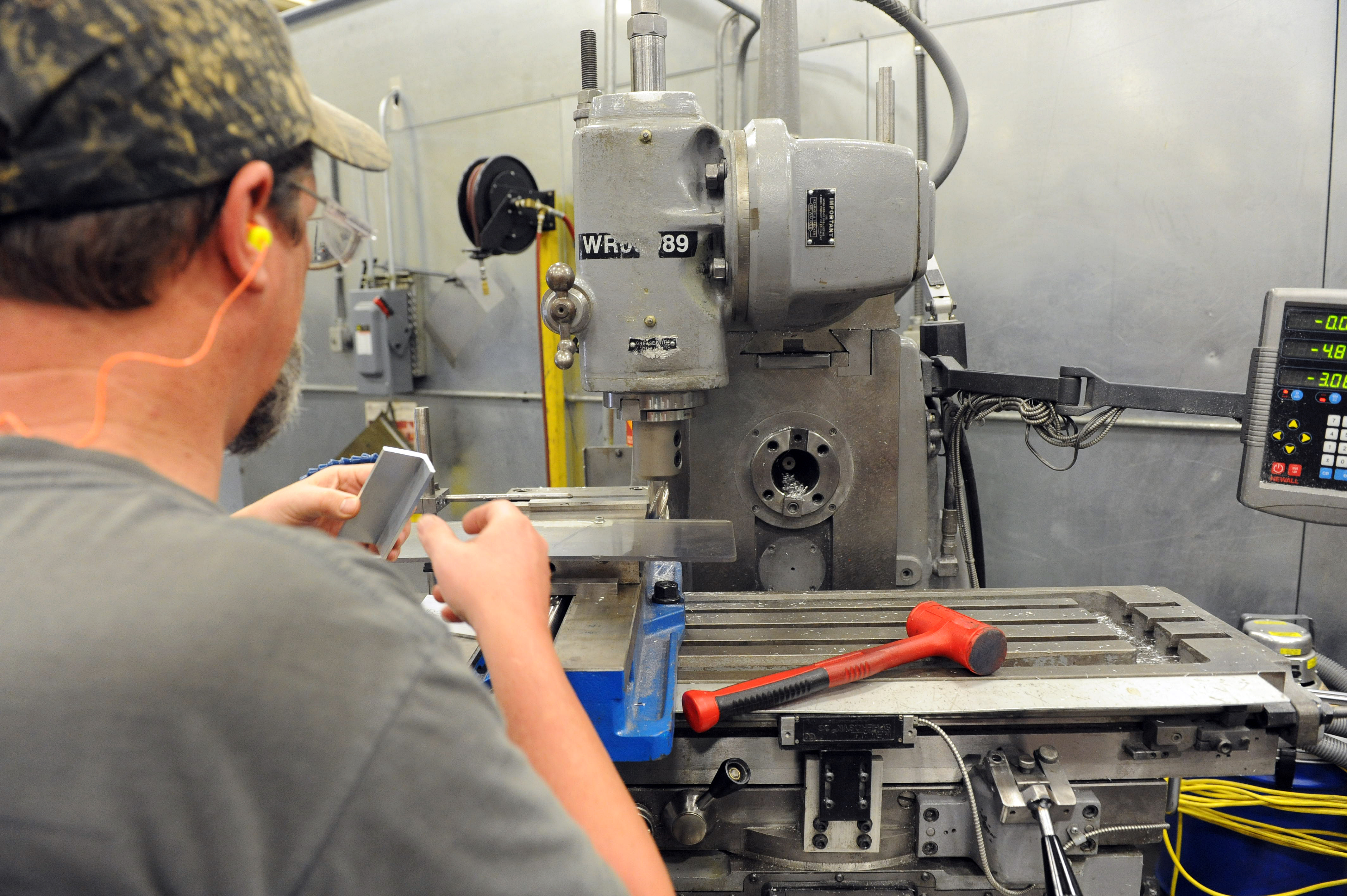
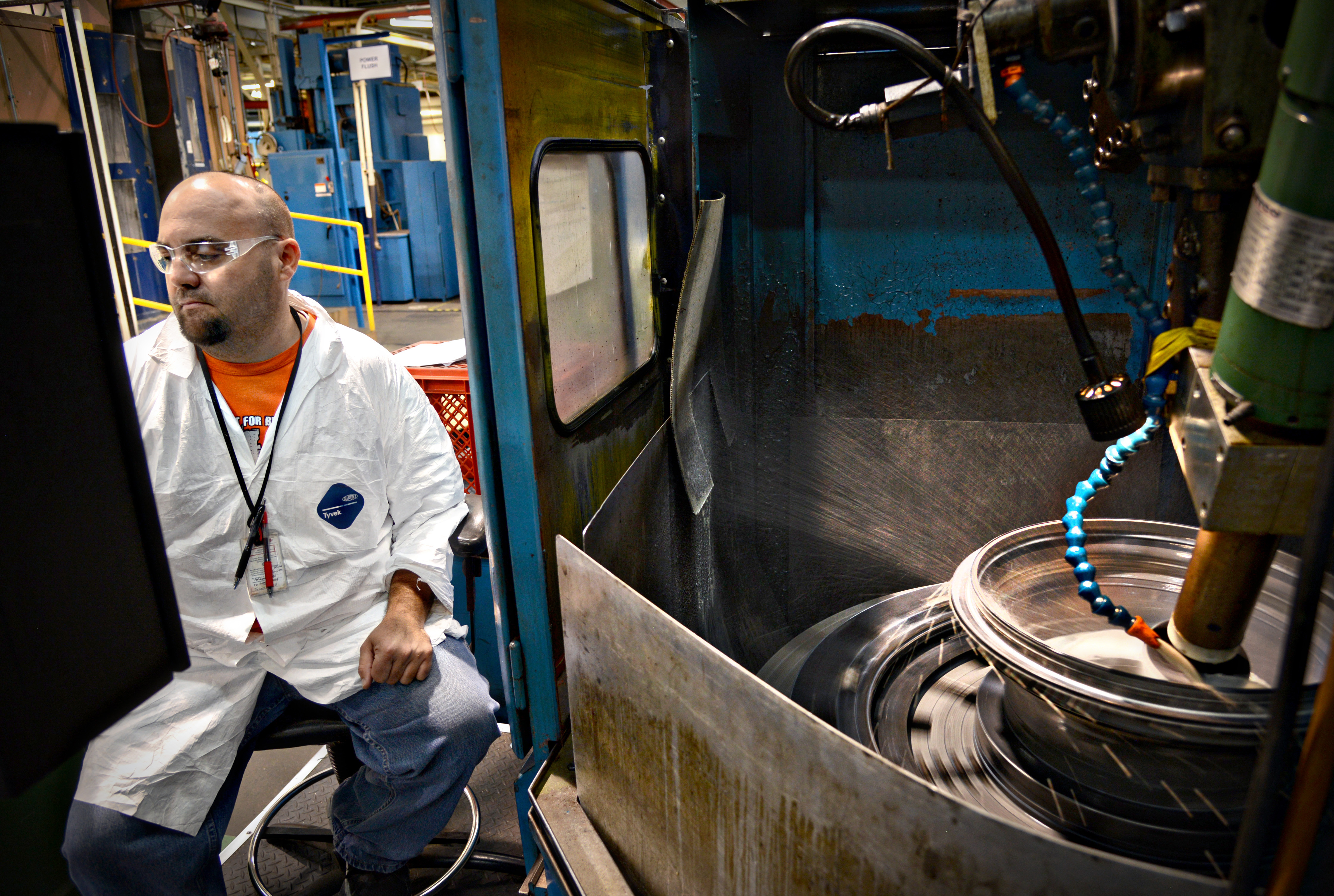
Milling and turning machine operations are both categorized as a subtractive process. The material is removed from an object in order to create a different shape, with the difference between the two processes being how the material is removed. When it comes to producing parts quickly with high precision, the importance of milling and turning machines cannot be understated. Utilizing the right machine, a cube can be turned into a sphere, a disc into a ring and a block of metal into an engine block. The current size of the milling and turning market is 145 companies employing a total of 2,593 people. All companies in this space are privately owned and overwhelmingly distribute domestically. The rapid reshoring of various industries has given these companies an economic shot in the arm.
Industrial News·Monday, December 3, 2018
U.S. manufacturing activity roars back in November
After two straight months of tepid growth, U.S. manufacturing activity charged back in November as new orders, production and employment posted strong growth, according the Institute for Supply Management's latest survey of manufacturing executives. U.S. manufacturing activity now stands at 59.3%, up 1.6% from October's reading of 57.7%. Executives surveyed by the ISM reported an uptick in orders, despite the impact of tariffs on supply chains and raw material costs, as well as a shortage of skilled labor. Says Tim Fiore, Chairman of the ISM: "Comments from the panel reflect continued expanding business strength. Demand remains strong, with the New Orders Index rebounding to above 60%, the Customers' Inventories Index declining and remaining too low, and the Backlog of Orders Index steady." November's ISM report reflects a growing U.S. manufacturing sector, with this past month's 59.3% reading far beyond the 50% mark that is indicative of expansion. November stands as the 33rd consecutive month of growth in the U.S. manufacturing sector, and the 115th straight month of growth in the economy overall.
Industrial News·Friday, November 30, 2018
USMCA made law, GM cuts, new plants: the week's top manufacturing stories
This past week has seen a flurry of ups and downs for U.S. manufacturing, with some positive announcements by BMW and Samsung overshadowed by a massive cost-cutting plan unveiled by GM. We'll take a look at the GM announcement, as well as other major manufacturing headlines this week, including some major new operations breaking ground. USMCA signed into law Just this morning, President Trump, Canadian Prime Minister Justin Trudeau and Mexican President Enrique Pena Nieto signed the U.S. Mexico Canada agreement (USMCA) as the three leaders converged in Argentina for a summit. The new trade deal is the result of sixteen months of heated negotiations between the three nations and is geared to replace the 23-year-old North American Free Trade Agreement (NAFTA) in the year 2020.

Company Announcements/Insights·Wednesday, November 28, 2018
Business Credit Reports, Inc. Partners with Creditsafe to Deliver More International Business Credit
Business Credit Reports, Inc. (BCR) has teamed up with Creditsafe to bring their international database of companies to BCR's credit report platform. With a global database of over 240 million companies worldwide, Creditsafe is a leader in international business credit reporting. Collecting data from over 200 sources, Creditsafe gathers information locally from trusted partners, ensuring quality and fresh information. This information is compiled into a report that can be ordered and received instantly online.
Industrial News·Wednesday, November 28, 2018
Growth trends in precision milling and turning
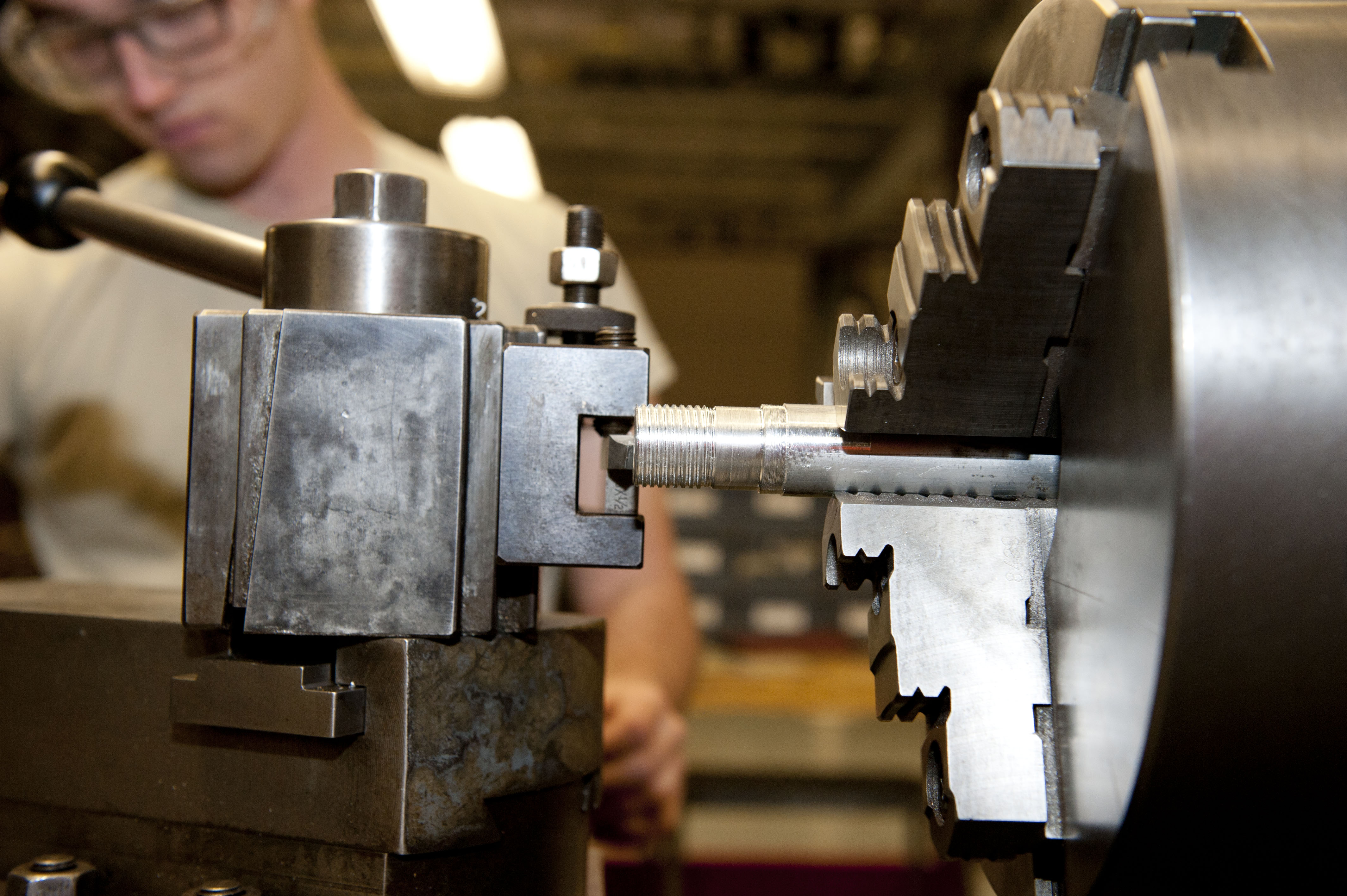
Precision milling and turning constitute a relatively modest part of the precision machining industry, with just under 2 percent of the total companies in that space dedicated to this craft. Small but mighty, do not be fooled as this sector is still growing rapidly. Milling and turning providers saw a 1 percent growth in sales since last year, generating nearly $215 million. This is an impressive figure considering that there are only 145 companies in this space. Suppliers that focus on precision milling and turning contribute to the economy in other ways as well. As of this year, 2,593 jobs could be directly associated with these companies. This population has grown two percent compared with the previous year. The growth appears to be evenly distributed as five percent of companies reported employment growth compared with three percent that reported a decline. As more evidence of favorable contribution to the economy, domestic distribution has increased by 70 percent compared with the previous year, resulting in only 22 companies that distribute internationally. Industry distribution The distribution of milling and turning companies is overwhelmingly concentrated in the Midwest, with 49 percent residing in the center of our nation. The rest of the country is almost equally dispersed, with the South, West and Northeast hosting 17 percent, 16 percent and 18 percent respectively. These demographics are somewhat different than the overall machining sector, which tends to be more evenly proportioned.
Industrial News·Tuesday, November 27, 2018
Fastest-growing screw machine products manufacturers in the U.S.
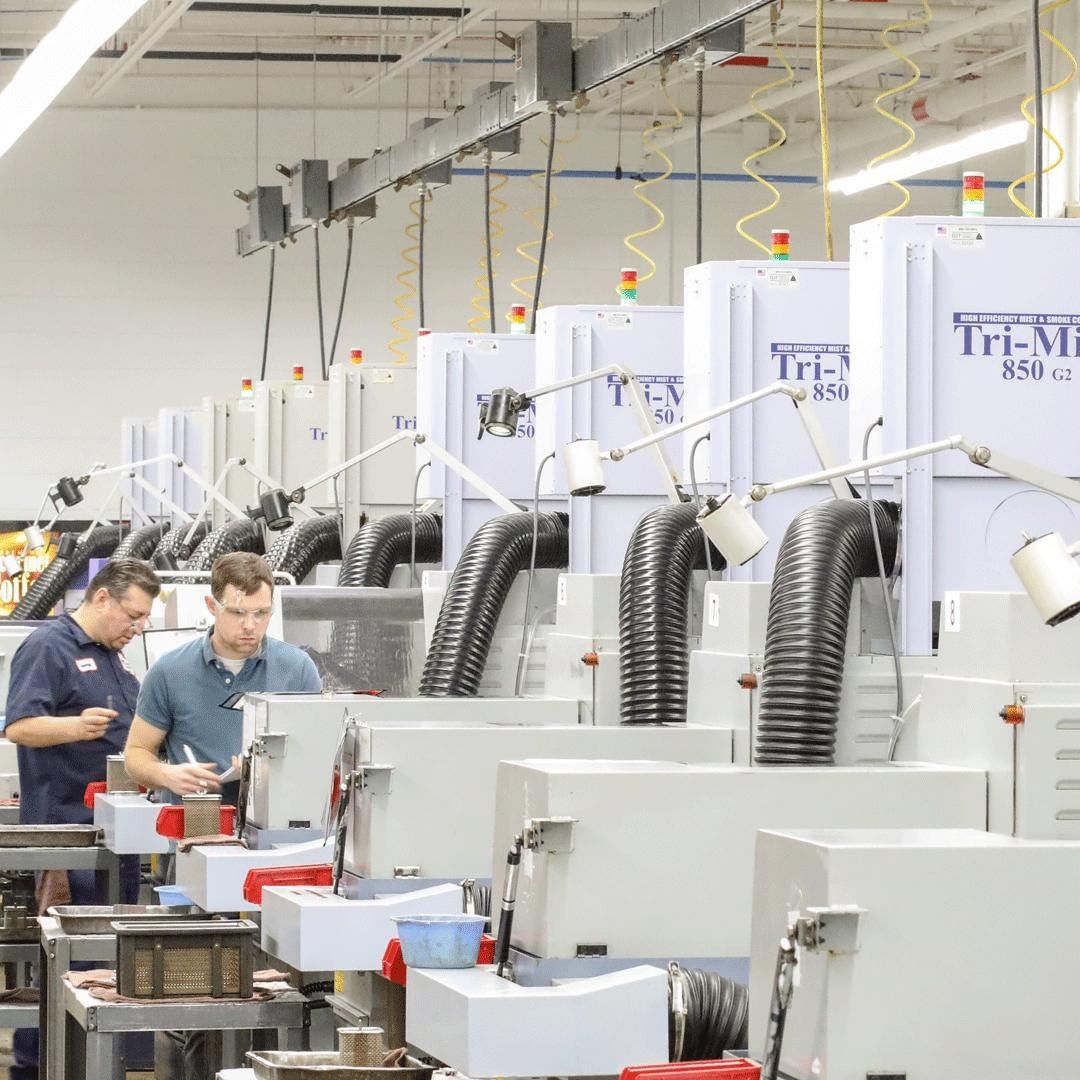
Precision machined parts are essential in modern society, but they are useless if they can't stay in proper alignment and orientation. The components that perform this task are referred to as screw machine products, even though they describe more than just screws. Pins, bolts, shafts and, of course, screws, are all required to keep the machines and products in our lives functional. Often relatively small in size, the required volume of screw machine parts is extremely high, making these suppliers a surprisingly powerful part of the domestic manufacturing economy. Regional Contributions This year has witnessed a 9% increase in total sales for the 744 companies that fall into the screw machine supplier category. Those companies generate over $1.6 billion in revenue, or approximately $2.2 million per company if averaged out. Distribution is weighted heavily toward the Midwest, with 54% of the industry being based in this geographic region. Many of these companies are taking on new business as overseas production returns to the United States. What follows is a look at the 11 fastest-growing precision screw machine manufacturers in the country.
Industrial News·Monday, November 19, 2018
U.S. manufacturing output accelerates for a fifth straight month
U.S. industrial output increased for a fifth straight month, as manufacturing gains offset losses in mining, according to a new report released this morning by the Federal Reserve. The Federal Reserve's release on U.S. industrial production and capacity utilization showed industrial output rose 0.1 percent in October, continuing a steady rise in the index since June. Overall, the Fed's index has surged 4% compared to this time last year. Manufacturing leads nation's industrial output gains Manufacturing output outpaced overall gains, rising 0.3% in October, while mining output dropped 0.3%. A decline in auto production hampered overall manufacturing gains, according to the report. Manufacturing output, excluding motor vehicle production, edged up a half percent. Mining output has slipped the past few months after hitting a record high in August, mostly due to oil and gas production, according to the Fed.
Industrial News·Wednesday, November 14, 2018
U.S. manufacturers of screw machine products report strong sales
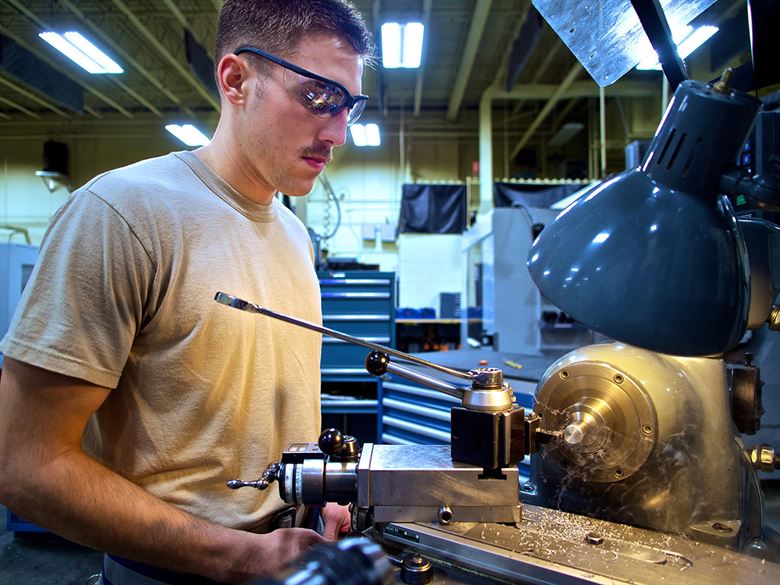
Screw machine products make up a key portion of the precision machining industry. The applications for screw machine products are vast, with these items used in appliances, computers, firefighting equipment, airbags and more. Depending on the manufacturer, screw machine products can be made from stainless steel, aluminum, steel, plastic or bronze. Take a closer look at the size and distribution of the industry to have a better idea of how it fits into precision machining as a whole.
Industrial News·Monday, November 12, 2018
Fastest-growing U.S. precision machined components manufacturers
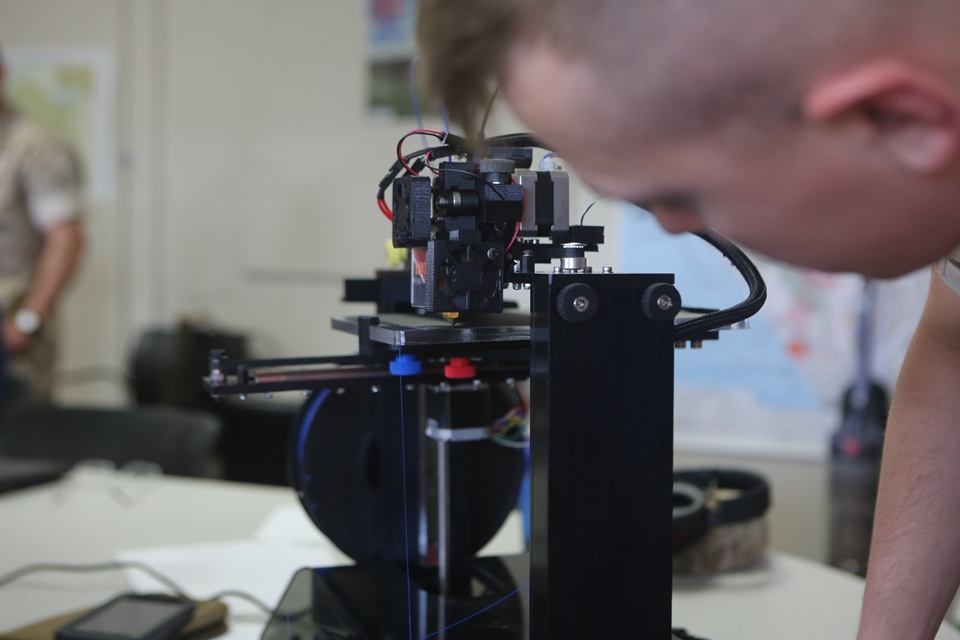
Our world is inseparably dependent upon machines and technology as a part of everyday life. While many may not give it a second thought, everything - from the car they drive to the computers utilized for work to the instruments used by your doctor - requires precision machined components to function. An individual may rely on thousands of these precision machined parts during the course of their day without even knowing it. Yet, without the specialized manufacturers who produce these high-tolerance parts, much of life as we know it would grind to a halt. Current Status Thanks to near universal reliance on technology and recent changes to global trade agreements, precision machined component manufacturers are seeing a resurgence here in the United States. Average sales have increased 14 percent, and nearly 1,000 jobs have been added to the sector since the previous year. Precision machined component manufacturers have also seen positive economics with 7 percent reporting an increase in employment and 3 percent reporting sales growth. These figures are nearly double the statistics for manufacturing in general.

State News·Thursday, November 8, 2018
Connecticut adds manufacturing jobs at fastest rate in decades
According to new data released by MNI, Connecticut's manufacturing sector added jobs at its fastest rate in decades. MNI, compiler and publisher of the industrial information that powers IndustryNet, reports Connecticut added 3,153 manufacturing jobs, or 1.5% between June 2017 and June 2018. This marks the state's third straight year of gains, and one that far outstripped increases of the past few years. Connecticut struggled to add manufacturing jobs after the recession as a strong dollar hit its export market; global competition took hold, and high business costs sent some manufacturers to cheaper locations. The state's manufacturing sector all but flatlined, with industrial employment inching down 4% between June 2010 and June 2015. The gains of the past three years, however, suggest things are looking up for Connecticut manufacturing. In this past year alone, the state added more manufacturing jobs than at any year since MNI began reporting on its manufacturing climate in 2002.

Company Announcements/Insights·Monday, November 5, 2018
Business Credit Reports Delivers a Beginning-to-End Credit System for Small Businesses
Business Credit Reports (BCR) has delivered powerful new innovations that give small businesses the ability to have a sophisticated beginning-to-end business credit system, similar to those utilized by larger companies, with affordable pricing and terms. These innovative solutions make managing credit at small companies easier and help the company to grow through increased revenue and fewer losses due to payment delinquency. BCR's recently-announced customizable online credit application and Payment Performance Insights provide the bookends to a business credit management solution that is centered on BCR's line of 20+ proprietary multi-bureau blended business credit reports. The customizable online credit application, which is available to all BCR customers at no charge, enables small businesses to accurately and reliably capture information from credit applicants. This makes processing credit applications faster and more efficient by eliminating paper shuffling and data entry.
Industrial News·Friday, November 2, 2018
U.S. manufacturing activity weakens for a second straight month
For a second straight month, U.S. manufacturing activity edged back in October after surging to a fourteen-year high in August, according the Institute for Supply Management's latest survey of manufacturing executives. U.S. manufacturing activity now stands at 57.7%, down 2.1% from September's reading of 59.8% and down 3.6% from August's reading of 61.3%. Trade uncertainty continues to weigh on U.S. manufacturers, with a number of respondents to the ISM's survey citing "stressed supply chains" and "mounting pressure" surrounding the Section 232 tariffs. Today's headlines, however, offer a glimmer of hope revealing U.S. trade talks with China may have turned a corner ahead of the 25% tariffs slated to go into effect January 1st.

Company Announcements/Insights·Friday, November 2, 2018
Buffalo Abrasives introduces new B5532 Bond for saw gumming
Buffalo Abrasives has introduced their new premium B5532 bond for Saw (File) Gumming, designed to eliminate hardening of the saw teeth with free cutting bond requiring minimal dressing. With major consolidation of companies in this market Buffalo Abrasives offers an alternative to primarily only off the shelf, one specification fits all options. In addition to the B5532 Bond, this product is made with premium ceramic grain for faster, longer lasting wheels ranging from 5-14" (metric sizes available), for the timber, woodworking & saw manufacturing industries.
Industrial News·Wednesday, October 31, 2018
U.S. manufacturers of precision machined components are seeing rapid growth
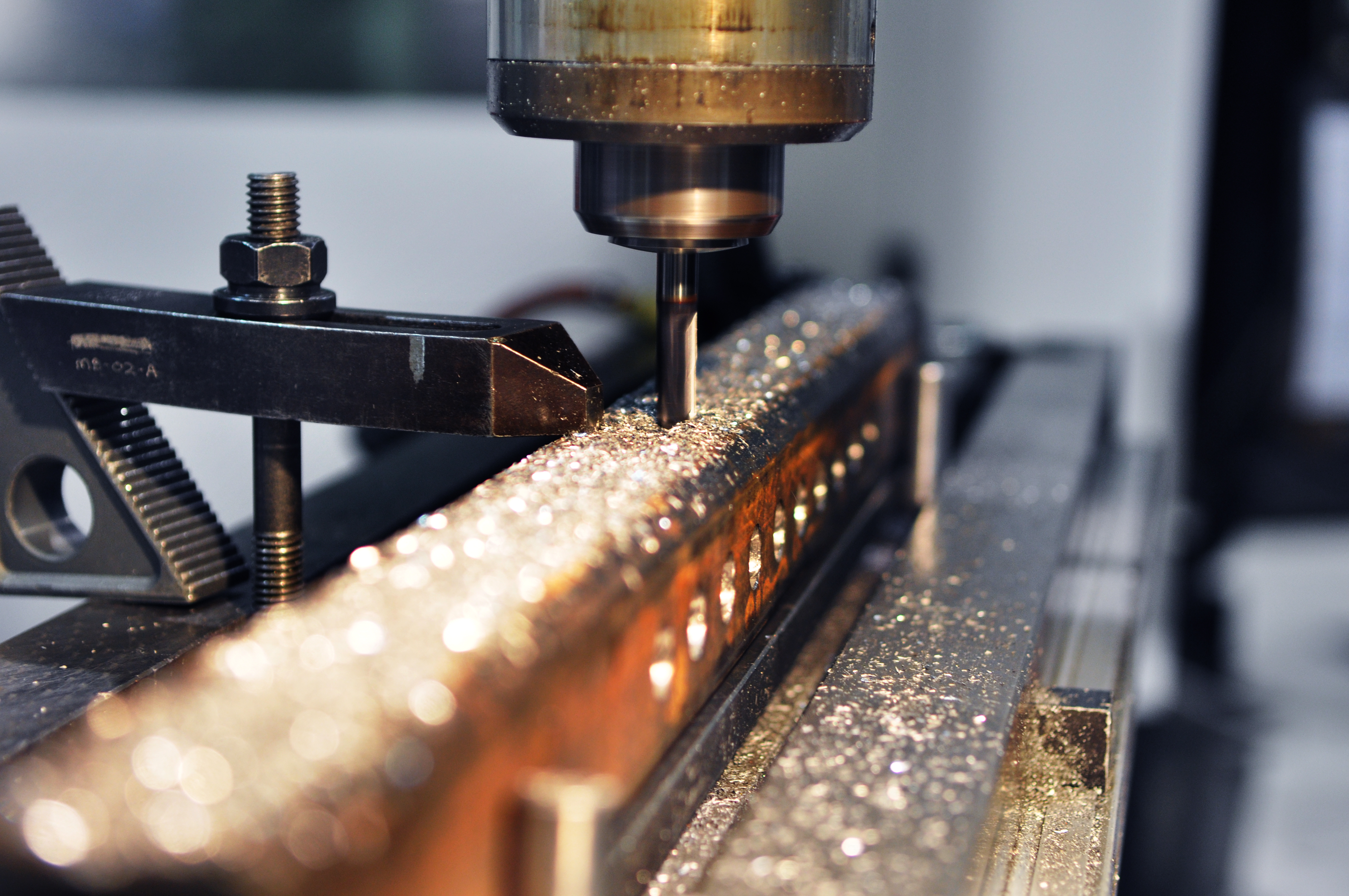
Precision machined components and parts are a rapidly growing industry in the United States. In the face of new tariffs on certain raw materials and components, this sector of the manufacturing industry is not slowing down. In fact, the main industries that rely on precision machined parts are all expected to grow over the next few years. These industries include automotive, aircraft, household appliances, spacecraft, tech hardware, medical devices, munitions, heavy machinery and military equipment. Future trends Forecasts are predicting continued growth as tariffs begin to positively influence domestic manufacturing. As large firms return production and assembly to the U.S., the opportunities for precision manufacturing are also slated to increase. There is currently a shortage of precision machines capable of the kind of work required to assemble complicated products such as commercial aircraft. This demand is predicted to continue for at least several years as production backlogs slowly clear out.
Industrial News·Monday, October 29, 2018
U.S. manufacturers look ahead as trade gap widens and tariffs close in
New orders for manufactured goods climbed for a third straight month, while U.S. businesses are spending less on capital equipment. The trade gap continues to widen, and manufacturers are looking ahead -- and looking closer to home -- as USTR stops accepting exclusions to tariffs. Finally, a new survey suggests public support for the recent tariff action is stronger than the headlines would suggest. Here is the week's manufacturing news in brief.
Company Announcements/Insights·Thursday, October 25, 2018
BelGAS introduces type P140 pressure regulators
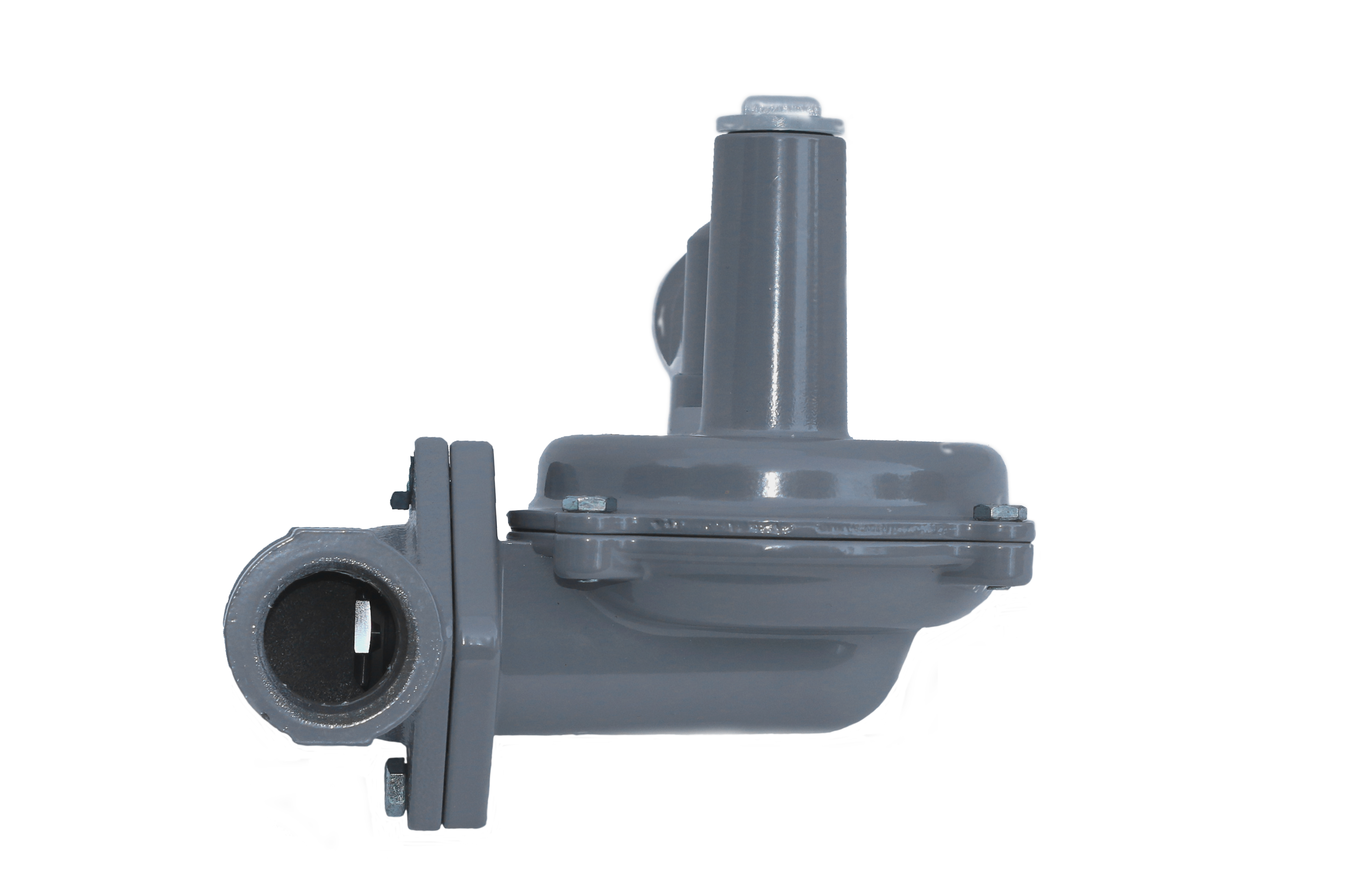
BelGAS has introduced its Type P140 pressure regulators for a wide range of gaseous fluids, including air, natural gas, LP, propane, and general-purpose pressure regulation. The P140 offers versatility, accuracy, and a compact design, available with or without internal relief. BelGAS ramped up production of the P140, with thousands boxed and ready for same-week shipment from its U.S. headquarters. The P140 is designed to be reliable and economical -- a balance that is key for the many markets this device serves. It is an ideal and cost-effective choice for typical residential applications, as well as many light industrial and commercial applications.
Industrial News·Wednesday, October 24, 2018
Leaders in electrical discharge machining (EDM)
Electrical discharge machining (EDM) is sometimes known as die sinking, wire erosion, burning, spark eroding, spark machining or wire burning. This process of shaping materials via the use of sparks or electrical discharges is a key part of the precision machining industry due to the precise nature of the components produced. Gain a better understanding of the EDM sector and its place in the overall industry of precision machining. Positioning EDM in the industry To better understand what the top EDM companies contribute to the field, you must first have a feel for this sector. There are 137 companies in electrical discharge machinery and machining, accounting for 1,679 jobs. The average current sales in EDM is $115.40 million. Of those companies, only three are women-owned and three are minority-owned. Nine of the companies import raw materials and 107 have domestic distribution with 127 offering international distribution.
Industrial News·Tuesday, October 23, 2018
What's new in electrical discharge machining (EDM)?
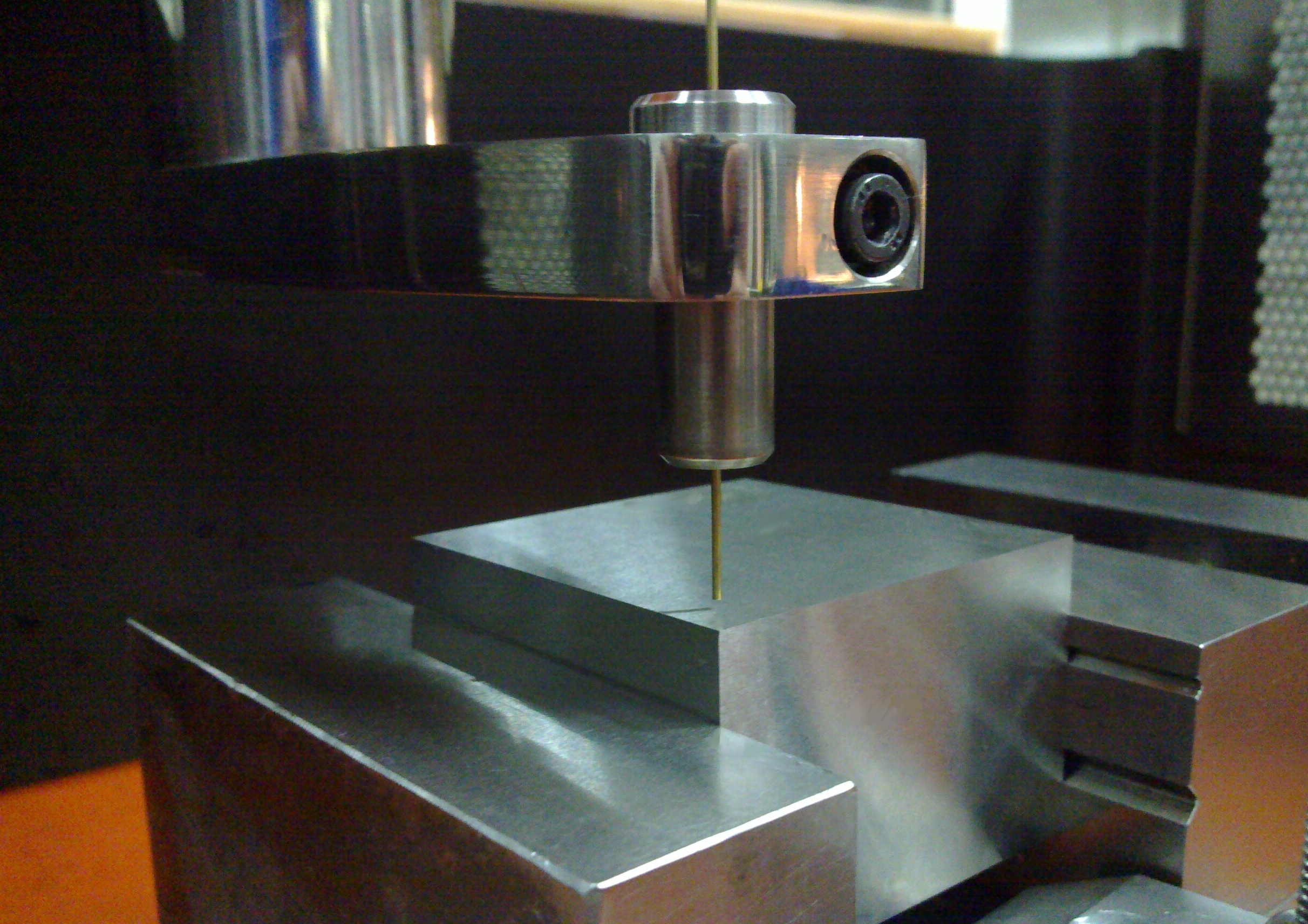
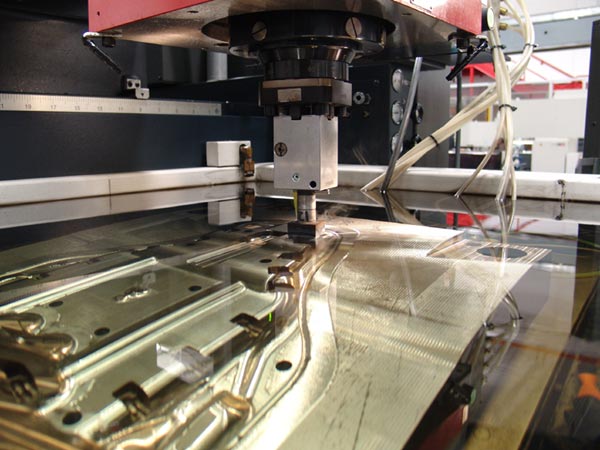
Part of the precision machining industry, electrical discharge machining (EDM) is a process that relies on electrical discharges or sparks to remove material from a component, creating the desired shape. The EDM system creates an electrical spark that produces intense heat and can, therefore, melt nearly anything. EDM involves a great deal of precision to ensure that just the targeted portion of the material is exposed to the heat, without any impact to the surfaces below or next to the given area. EDM Trends After researchers developed what would be the foundation of modern EDM during the 1940s, this process remained relatively uncommon for a long time. Today, however, it has become one of the most popular machining processes. Some figures indicate that in 1960, EDM accounted for about 0.5% of the machine tool market and by 1998, this figure was 6%. As you explore the following more recent figures regarding sales, jobs and more, it becomes clear that EDM continues to grow.
Company Announcements/Insights·Thursday, October 18, 2018
Loram hosts tour and town hall session with Congressman Tom Emmer
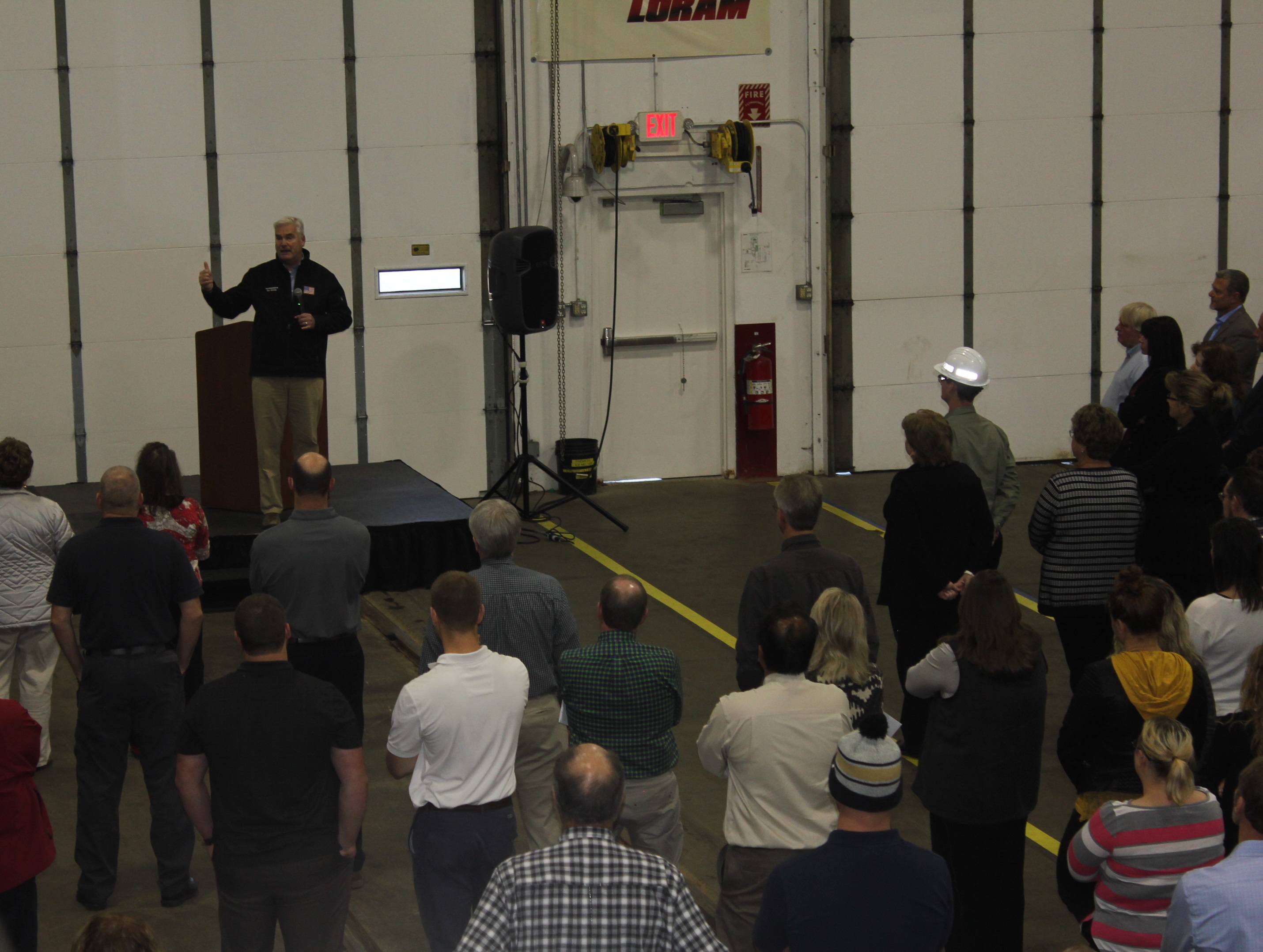
Loram Maintenance of Way hosted special guest, U.S. Representative Tom Emmer (R-MN-6) for a facility tour and town hall session on Tuesday, October 16. Emmer resides in Delano, MN which is a short distance from the campus of Loram's manufacturing facility and warehouse in Medina, MN. Emmer received Loram employees in the manufacturing shop bay where they exchanged conversation on the growing need for skilled laborers. He spoke about middle-skill occupations that require early development in programs such as apprenticeships and on-the-job training, but do not necessarily require a four-year college degree. Emmer also addressed the question of trade issues with Canada and Mexico and remains positive that the new North American agreement with Mexico and Canada is the right move. Founded in 1954, Loram Maintenance of Way started out as a small operation consisting of two simple machines, and a handful of employees.
Company Announcements/Insights·Thursday, October 11, 2018
Wall Colmonoy Aerobraze OKC to Host Manufacturing Day Event
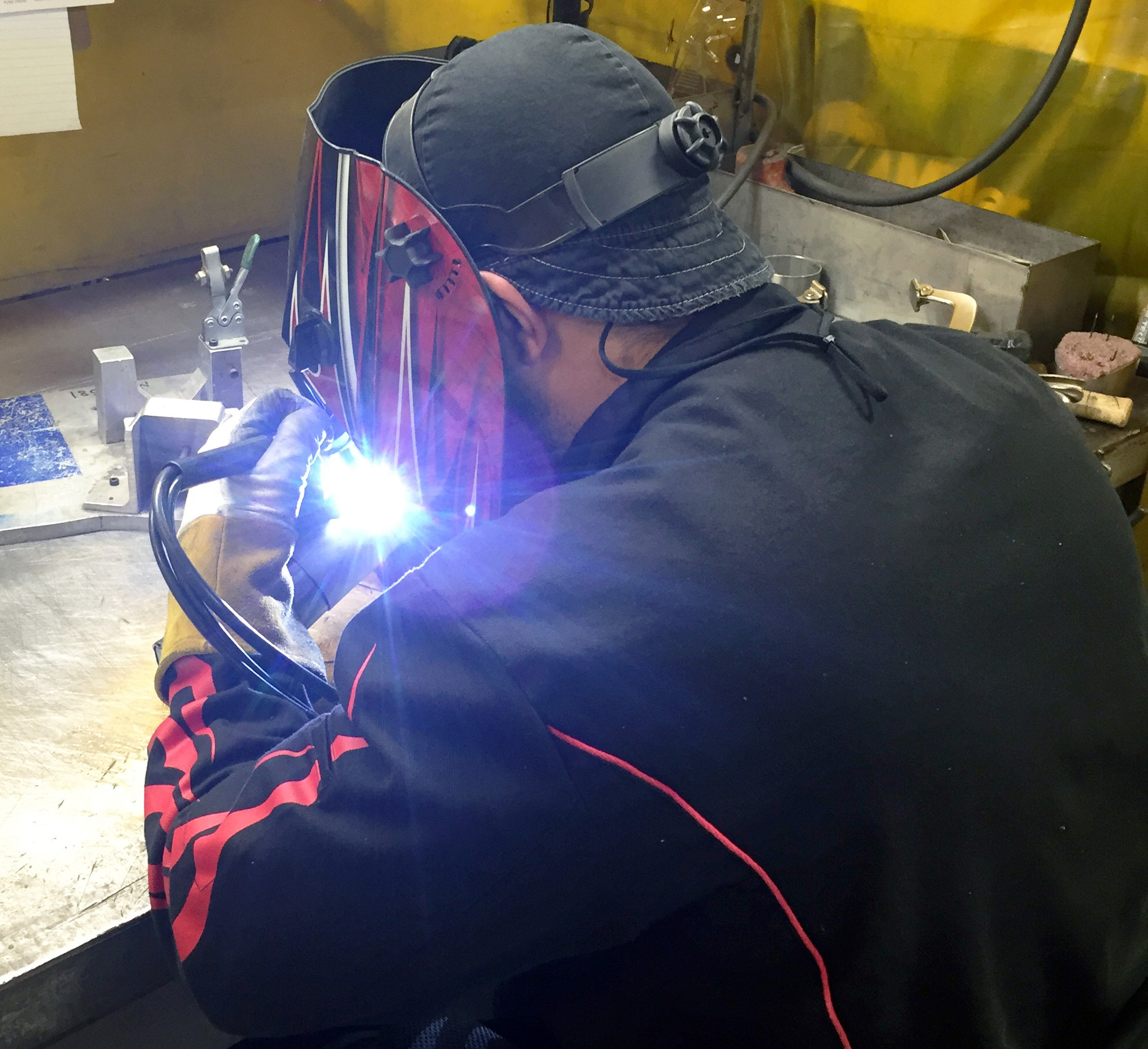
In celebration of Manufacturing Day 2018, Wall Colmonoy Aerobraze OKC will open its doors on Friday, October 12, 2018 to students from local Career Techs and high schools as part of an effort to inspire the next generation of opportunities that a career in manufacturing can provide. Planned activities at Aerobraze OKC include tours of the facility, equipment and product manufacturing demonstrations of machining, welding, brazing and fabrication. The day will also include a hands-on activity intended to showcase Aerobraze's expertise in sheet metal fabrication. Blueprints and work instructions will be provided for the students to assemble an item made from cut, bent, milled, and drilled sheet metal fabricated parts. Each student will leave with a gift bag that contains an F-15 fighter jet made from metal pieces cut by water jet and slip fitted together. WCC Aerobraze OKC developed and manufactures heat exchangers for the U.S. Air Force's F-15 fighter jets.
Industrial News·Wednesday, October 10, 2018
Top 11 U.S. aluminum and drawing companies
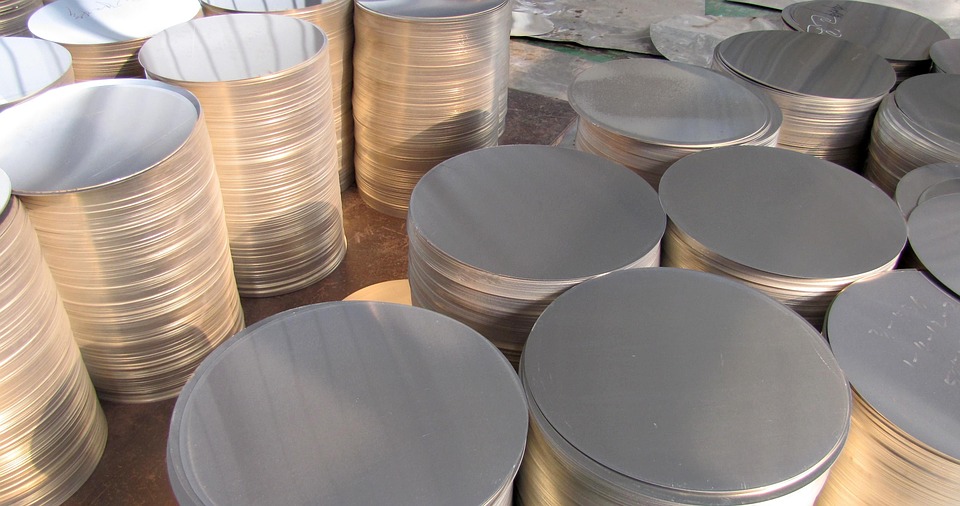
The products of aluminum rolling and drawing companies play an essential part in the everyday life of most Americans. Rail cars, aircraft and packaging materials all employ rolled aluminum products. Almost 50 percent of aluminum alloys become feedstocks for aluminum rolling. Manufacturers of beverage cans use two million tons of this metal per year. The use of rolled aluminum is also expected to expand in the automotive industry. It is also used to make components for climate control systems. IndustryNet has compiled statistics on the nation's aluminum rolling and drawing companies, representing growth in employment of 0.36 percent. Average sales for this industry sector are $6.77 billion. The majority of aluminum rolling and drawing plants are located in the Midwest and the South, as are many of the top companies profiled below.
Industrial News·Monday, October 8, 2018
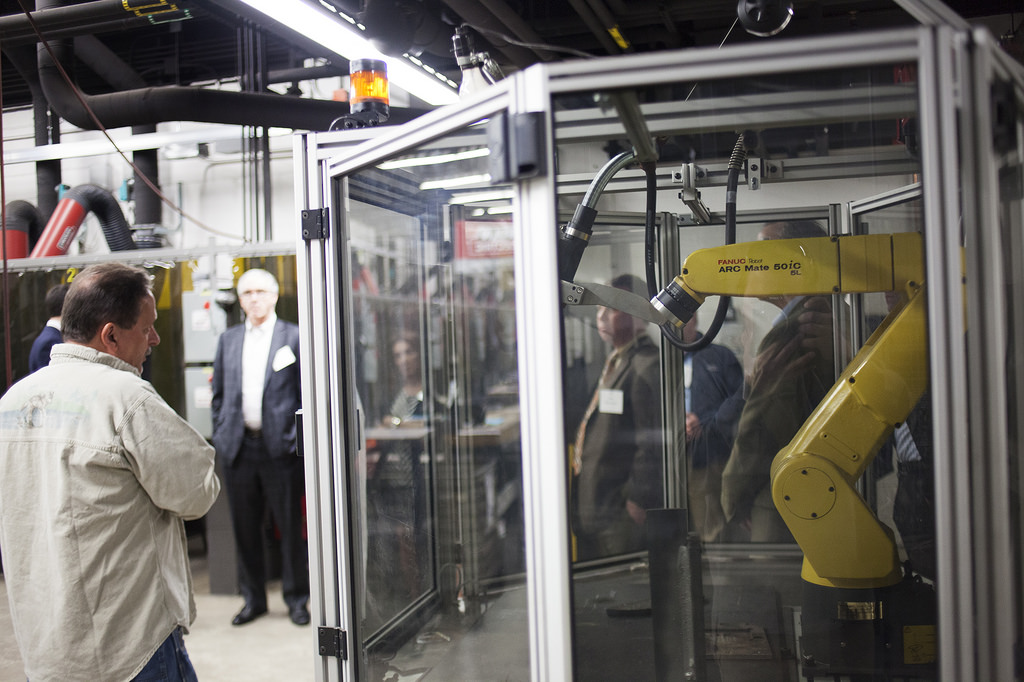
Manufacturing Day throws open the factory doors
This October, over 3,000 events celebrating Manufacturing Day will salute a vital engine of our economy. Since 2012, companies, communities and organizations have joined in the effort to educate the public on the contribution of the manufacturing industry to the quality of life across the country and around the world. Here are some of the events that open the door to the manufacturing universe:
