

Industrial News·Thursday, October 4, 2018
Goodbye NAFTA, hello USMCA. What the new trade deal means for U.S. manufacturers
The U.S., Canada and Mexico have been embroiled in NAFTA negotiations for more than a year now, culminating in a new deal that was finally struck between the three nations on October 1st. The new trilateral agreement promises increased wages, strengthened intellectual property, and expanded access to markets, while reducing the U.S. trade deficits. But what does it mean for the American manufacturer? The new trade deal, officially termed the United States-Mexico-Canada Agreement (USMCA) is the result of sixteen months of heated negotiations between the three nations and is geared to replace the 23-year-old North American Free Trade Agreement (NAFTA) in the year 2020. NAFTA has been the subject of much controversy, lauded by some economists and reviled by others. Largely accepted by U.S. presidents since the Clinton era, the current administration brought NAFTA back to the spotlight over the past year, proclaiming it a job killer that has allowed significant trade deficits to build up. Or, in short, "The worst trade deal ever signed."
Industrial News·Wednesday, October 3, 2018
Latest outlook for U.S. aluminum rolling and drawing companies
Employment is growing in aluminum rolling and drawing as this industry sector serves the markets from food packaging to construction. Rolled products utilize almost 50 percent of aluminum alloys. The demand for aluminum wiring, a drawn product, has increased 20 percent during the last decade. According to data compiled by IndustryNet, there are 57 aluminum drawing and rolling companies providing 7,035 jobs. Employment has increased by 0.36 percent over the past year. Current average sales stand at $6.77 billion, which is unchanged during the same period. The majority of aluminum and drawing companies, 24 or 42 percent are located in the South. The Midwest has a similar number; 22 or 39 percent. The Northwest houses seven facilities or 12 percent, with the lowest number, four or 7 percent in the West.

Company Announcements/Insights·Wednesday, October 3, 2018
Epec Launches InstantPCBQuote 2.0
Epec Engineered Technologies, an industry leader in high reliability manufactured electronics, has recently announced a new version of their online circuit board quote and ordering tool, InstantPCBQuote. The new InstantPCBQuote was released at the end of August and has been in beta for about a month. This new version has a more modern look and feel, supported by a more advanced back-end infrastructure. It is now also more compatible with recent web browser changes and various screen resolutions. "Our IT and Marketing teams have been working on this for about a year now and we are excited that it has finally been released. The goal of this re-launch was to make the site more user friendly to ensure a great experience to our customers", shared Keith Araujo, Director of Marketing at Epec.

Industrial News·Monday, September 24, 2018
America's largest and fastest growing aluminum extrusion companies
America's aluminum extrusion industry is holding its own. IndustryNet determined that the industry's sales remained flat over the past year. This may be due to pricing competition from overseas manufacturers. Lower prices are coming from the countries of Vietnam, Indonesia and Malaysia. These conditions have placed pressure on the U.S. industry's bottom line. Manufacturers must absorb these countries' lower pricing by reducing its operating margin. The American aluminum extrusion industry's market share continues to grow. For example, 2016 was the seventh year in a row that extrusion shipments have grown. This represents a 35% increase in shipments since 2009. The top five largest aluminum extrusion companies cover a wide geographical category of the U.S. The largest company is in Pennsylvania with a sister company in Oregon. Add to these companies Texas with two up North in Wisconsin and Michigan and you have the lower 48 states covered.
Industrial News·Wednesday, September 19, 2018
An insider look at the aluminum extrusion market
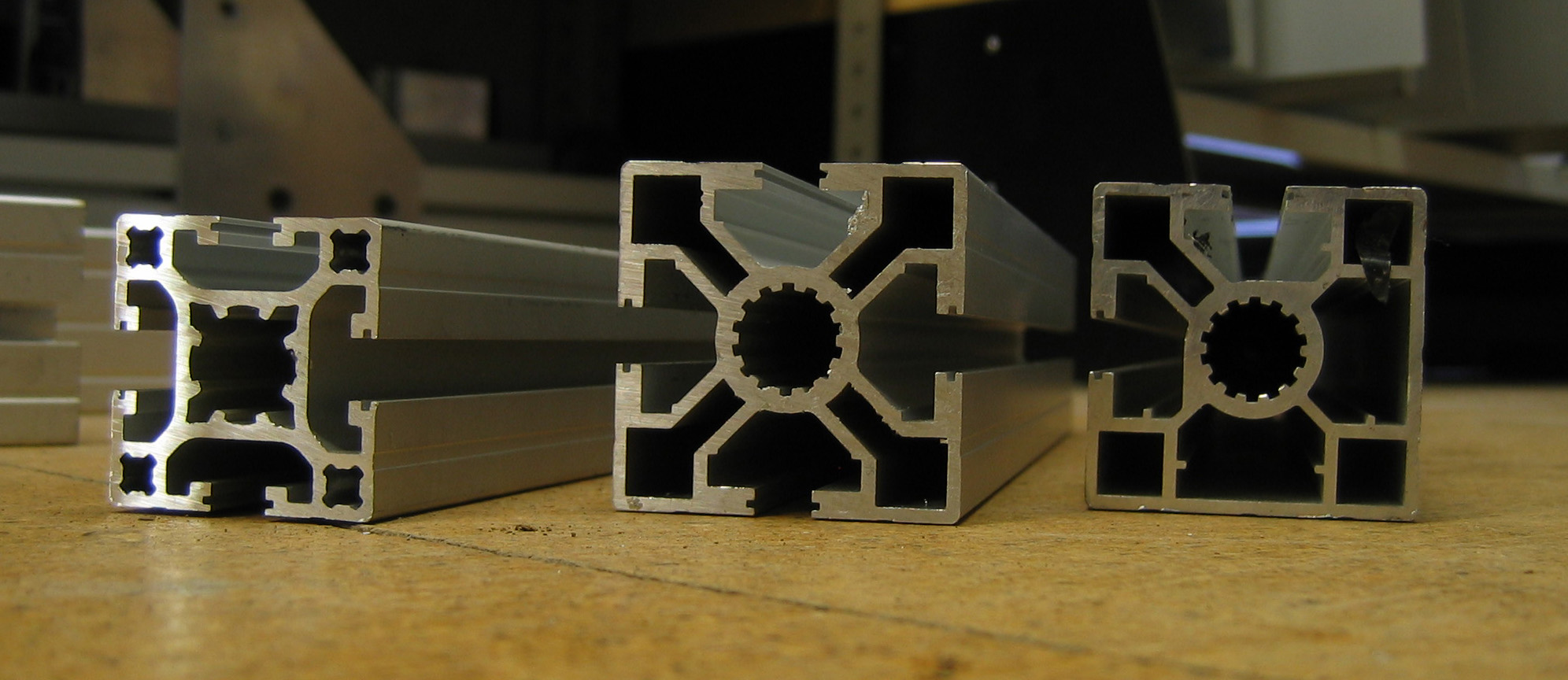
Aluminum extrusion offers an extensive array of design possibilities to industries as diverse as automotive, construction and power generation. Aluminum's weight, superior thermal conductivity and strength lend an advantage to many types of consumer products. Manufacturers also choose aluminum extrusion because of its relatively low-cost tooling, which speeds the development and prototyping of new products. Aluminum extrusions are 100 percent recyclable. Since these products do not emit significant levels of hazardous gases during processing, manufacturers employ them to simplify their regulatory compliance. Aluminum extrusions are also corrosion resistant, making them highly desirable for use outdoors and in environmentally harsh conditions.

Industrial News·Tuesday, September 18, 2018
USTR finalizes tariffs on half of all Chinese imports
Furthering its mission to address unfair Chinese industrial policies, the USTR announced late Monday that it has finalized tariffs on $200 billion of Chinese imports to the U.S. and has threatened tariffs on an additional $267 billion of Chinese goods in the event China's Ministry of Commerce retaliates with its own set of duties. The finalized list represents roughly 50% of all Chinese goods imported to the U.S. According to the USTR's recent announcement, an initial 10% import tariff will now be officially imposed on the list of 5,745 Chinese products starting September 24th, with the tariffs raised to 25% starting January 1st, 2019. The proposed tariffs were announced on July 10th, 2018, and originally included a list of 6,031 products. That list has since been revised, with 297 products removed based on responses received during a 6-week review and 6-day public hearing. The full range of items removed from the final list can be found here. Not surprisingly, China responded today with an announcement of its intent to retaliate with its own list of import tariffs on $60 billion worth of U.S. goods at rates between 5-10% The Trump administration continues to take a hard line with China. U.S. Trade Representative Robert Lighthizer said in a statement released July 10th: "As a result of China's retaliation and failure to change its practices, the President has ordered USTR to begin the process of imposing tariffs of 10 percent on an additional $200 billion of Chinese imports. This is an appropriate response under the authority of Section 301 to obtain the elimination of China's harmful industrial policies."

Industrial News·Wednesday, September 12, 2018
The oldest aluminum companies in the U.S.
Since 1855, aluminum companies have operated in the United States. As the country's economy has grown, the aluminum industry has grown with it. According to data compiled by IndustryNet, 940 aluminum companies provide 65,066 jobs. Average sales are $47.8 billion. While the automotive and construction are a significant segment of the aluminum market, aluminum companies also serve the packaging, food service, agricultural and many other markets. The 10 oldest aluminum companies, listed here in reverse order of establishment, illustrate how the industry has grown and diversified in the over 160 years it has operated in the U.S.
Industrial News·Tuesday, September 11, 2018
Who makes it: 11 largest aluminum foundries in the U.S.
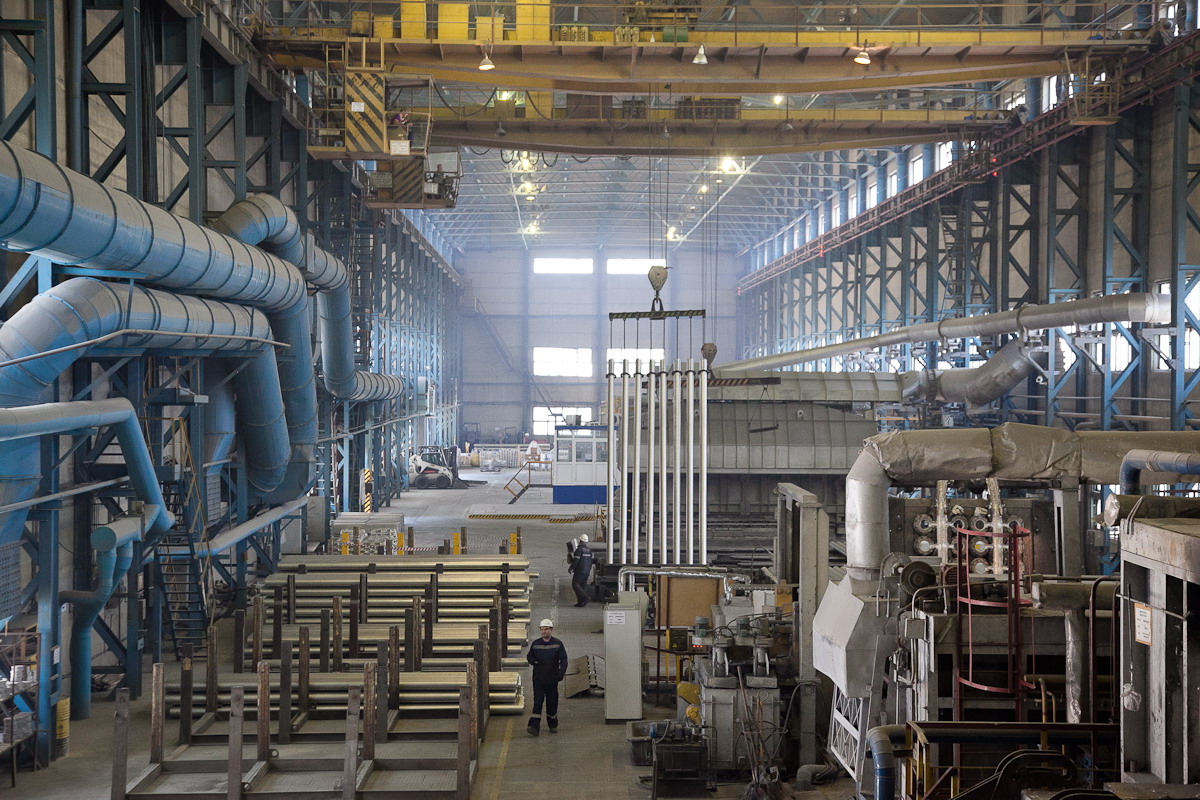
Casting performed by aluminum foundries is the most widely used process for manufacturing aluminum products and is vital to the aluminum industry. In these facilities, aluminum is melted and poured into molds. The items formed are as diverse as power transmissions for cars and the cap on the Washington Monument. The majority of molds, especially those for large objects, are constructed from sand. Other casting methods are investment casting, which involves the use of meltable linings such as wax with a ceramic mold and die casting in metal molds. Regardless of the casting procedure, goods produced by foundries are both lightweight and sturdy. According to data collected by IndustryNet, 349 plants in the aluminum foundry sector provide 18,774 jobs. This number is a decrease of 0.95 percent from the employment numbers for the previous year. Current average sales of $2.91 billion show a drop of 0.14 percent when compared to a year ago. The following are the nation's top aluminum foundries operating in the U.S. today.
Industrial News·Wednesday, September 5, 2018
Where U.S. aluminum foundries are thriving
While tariffs have recently been instituted to stimulate the growth of the U.S. aluminum industry, some aluminum foundries are already thriving. Much of the struggle of aluminum manufacturers has been attributed to Chinese metal overcapacity. Despite an increasing amount of U.S. demand that has been met by foreign suppliers, some market segments, automotive in particular, have spurred domestic sales. This trend is expected to continue, owing to duties that have been imposed on a variety of aluminum products including hubs for bicycles, tanks, vats, reservoirs and, most notably, some engine components. With rapid urbanization driving increased demand for lightweight vehicles, sales of foundry casting products are projected to rise over the next few years. Die casting is an essential process in the production of components necessary for the improvement of fuel efficiency. Productivity in the die casting industry is surging due to automation. In addition to automotive applications, the use of these products has been rising in piping and machinery. Innovations in producing complex geometries, crafting fine details and lowering costs have created additional markets for die cast products.
Industrial News·Tuesday, September 4, 2018
U.S. manufacturing activity rockets to 14-year high
U.S. manufacturing activity surged to its highest rate in fourteen years in August, fueled by significant growth in new orders, production and employment. This was reported by the Institute for Supply Management (ISM), which today released its Manufacturing Report on Business U.S. manufacturing activity now stands at 61.3%, up 3.2% from July's 58.1 reading, according to the ISM's latest survey of manufacturing executives. August's reading of 61.3% represents the nation's 30th straight month of growth in the manufacturing sector, and the 112th consecutive month of growth in the economy overall. Sixteen of eighteen industries surveyed by the ISM reported growth, led by computer & electronic products; apparel, leather & allied products; textile mills; paper products; and miscellaneous manufacturing. The wood products and primary metals sector were the only to report contraction, according to the ISM.
Industrial News·Friday, August 31, 2018
Who makes it: 11 leading sheet aluminum companies in the U.S.
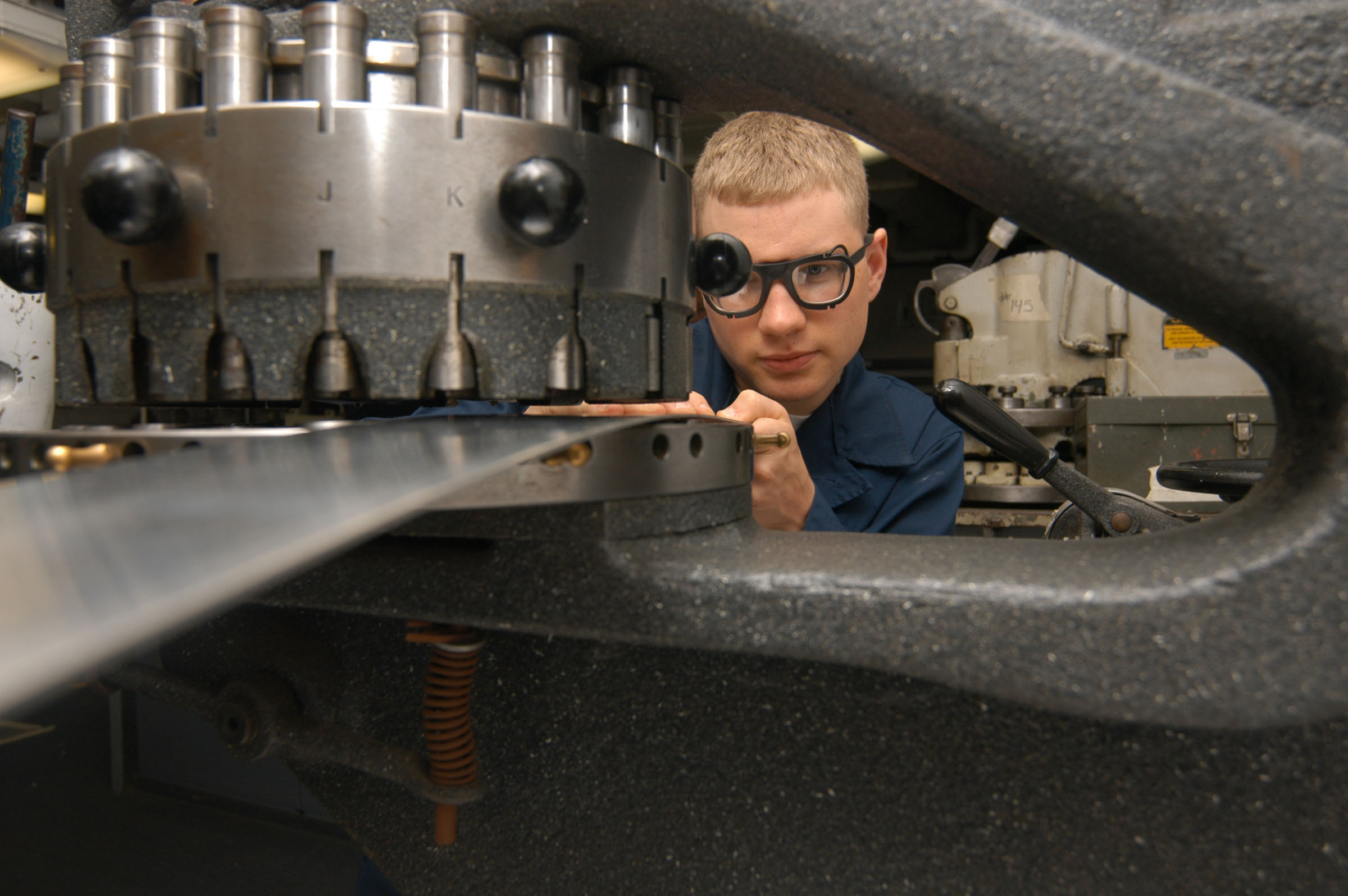
The recent implementation of a 10-percent tariff on aluminum highlights the metal's importance to industry and particularly the significance of the sector whose products are most extensively employed: sheet aluminum. While aluminum might most readily bring to mind the metallic sheen of foil, sheet aluminum can be anodized and dyed to produce hundreds of colors including red, gold and black. Etching of sheet aluminum will yield a matte finish. Polishing can create a mirror bright surface. Products in this sector are used in the manufacture of cans and other packaging. Sheet aluminum is essential in the fabrication of airplane skins. Panels for both automobiles and tractor trailers are manufactured from sheet. Using aluminum to produce lighter-weight cars reduces annual emissions of carbon dioxide by 44 million tons. Sheet aluminum can be continuously recycled, saving more than 90 percent of the energy used to produce the primary product.
State News·Friday, August 24, 2018
Why manufacturers are flocking to Georgia
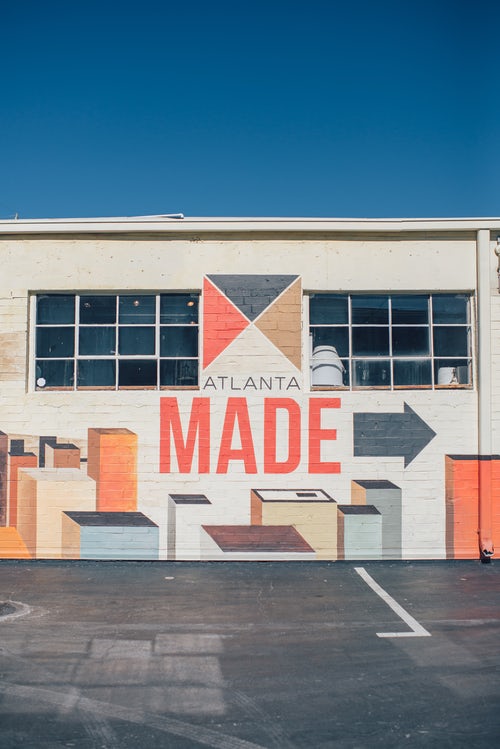
According to new data released by MNI, compiler and publisher of the U.S. industrial data that powers IndustryNet, Georgia added manufacturing jobs for an eighth straight year, helped by continued gains in the auto industry. Georgia's industrial sector has thrived in the post-recession era, adding a total of 32,000 jobs since May of 2010. During this period, the state's transportation equipment sector grew by 36%, rising to become the state's third-largest sector by number of industrial jobs. Numerous manufacturers have flocked to Georgia over the past eight years, drawn by a number of site selection factors. This article will take a look at some of the major developments that have occurred in Georgia since the recession, including new company announcements. We'll examine the state's outlook in light of new federal and state policies and explore IndustryNet's extensive regional and historical data for the state.

Company Announcements/Insights·Thursday, August 23, 2018
Kenmode Precision Metal Stamping earns three new international certifications
Kenmode Precision Metal Stamping has earned three new international certifications for quality and environmental standards. The certifications include two new standards from the International Organization for Standardization -- the ISO 9001:2015 standard for quality management systems and the ISO 14001:2015 standard for environmental management systems -- and IATF 16949:2016 for automotive quality systems. Kenmode has held certifications of earlier versions of the ISO 9001 and automotive quality standards but has been certified for the environmental management standard for the first time. Kenmode is among the early adopters of the new global automotive industry standard, IATF 16949:2016, which was recently introduced by the International Automotive Task Force and replaces the ISO/TS 16949 standard.

State News·Friday, August 17, 2018
Texas manufacturing strength in five charts
IndustryNet recently reported manufacturing job growth in Texas accelerated over the year, led by a recovering oil/gas sector. The state added 21,513 jobs, or 1.8%, according to MNI, publisher of the industrial data that powers IndustryNet. Overall, Texas manufacturing employment has grown consistently in the post-recession era, with much of the growth led by the a booming oil sector. The chart below illustrates the ups and downs of Texas manufacturing employment over the past ten years. The next chart illustrates growth in Texas' oil/gas extraction sector, which generally follows the same growth pattern as the entire state, with a slight dip between 2014 and 2016, when a supply glut drove oil prices down. But although oil/gas sector employment is a significant factor in the state's post-recession gains, taken alone, the industry makes up a growing, but still fairly small (11%) share of the state's industrial employment.
Industrial News·Wednesday, August 15, 2018
Who makes it: 9 leading U.S. flat rolled steel companies
The next time you hop into your vehicle, know that your car contains around 2,400 pounds of steel. If you drive a truck, your vehicle has closer to 3,000 pounds of steel. Even if you don't own a car, you probably used a refrigerator, stood in a building or picked up a hand tool. All of the items have one thing in common - they utilize flat rolled steel. Flat rolled steel is an alloy, a fact that makes it strong and durable. It is the perfect choice for infrastructure, buildings, pipes, heavy equipment and dozens of other uses. Sixteen companies dominate the flat rolled steel market, with a total of 4,636 employees. The average flat rolled steel sales top $11 billion dollars. The following nine companies are at the top of the industry in terms of the number of employees: United States Steel Corporation The United States Steel Corporation, Granite City Works in Granite City, Illinois employs 800 individuals to produce sheet and tubular products for the automotive and other industries. Founded in 1901, United States Steel still adheres its founder's principle that the company's interests are subservient to the public welfare.

Industrial News·Thursday, August 2, 2018
Who makes it: 7 leading U.S. producers of reinforcing steel
The U.S. steel industry is on the rise, posting a 1.91% gain in employment in 2018 and a more modest 0.8% rise in sales, according to recent data collected by IndustryNet. As a whole, the steel industry has current average sales of $21.7 billion. The steel industry has experienced dramatic changes in recent years, including the common trend of replacing blast furnaces with electric arc furnaces. Steel companies are also increasingly using robots to operate EAFs. Number of companies and jobs in the reinforcing steel sector One small sector of the steel industry, reinforcing steel, provides steel that gives tensile strength to concrete structure. The sector contains 32 companies that provide 1,281 jobs, which is 11.6 percent of companies and 4.1 percent of jobs in the industry. There was no change to the number of jobs in the sector within the last year. Average sales in the reinforcing steel sector The average current sales in steel reinforcing are $185.25 million, which is approximately the same figure as a year ago. Based on the previously mentioned current average sales in steel of $21.7 billion, this means that steel reinforcing accounts for less than 1 percent of the industry's sales. Top companies in reinforcing steel by number of employees Examining the top companies in steel reinforcing can also offer perspective into the sector, including geographical trends. One of the best ways to compare the various companies is via employees on site:

Industrial News·Friday, July 27, 2018
U.S. GDP surges 4%, bolstered by exports
The Commerce Department reported this morning that real gross domestic product (GDP) surged to an annual rate of 4.1% in the second quarter of this year -- a rate not seen since 2014. U.S. GDP grew at double the 2.2% rate reported in the first quarter of 2018, bolstered by a surge in exports and defense spending. The spike in GDP follows June's one percent gain in U.S. durable goods orders as reported by the Commerce Department on July 26th. Additionally, the Federal Reserve recently reported an uptick in industrial output. By the numbers The BEA's new GDP figure is based partially on a spike in exports, as U.S. producers scramble to get their products to market as trade tensions increase. Exports surged 9.3% in the second quarter -- a rate not seen since the fourth quarter of 2013.

Industrial News·Wednesday, July 25, 2018
Who makes it: 11 leading galvanized steel companies in the U.S.
Galvanized steel is a growing sector of the steel industry. Hundreds of thousands of tons are produced annually worldwide, primarily for construction and automotive use. Appliances also present a sizable market. Galvanization is the process of applying a protective coating of zinc, which retards corrosion. In some environments, galvanized steel will defy rust for decades. Additional treatment with chromate will further extend its useful life span. Industry trends Galvanized steel finds use in many innovative and creative ways. It recently played a significant role in the transformation of a disused shed into an award-winning low-cost energy efficient house, library and gallery. It was also used to construct a home with a design based on the semi-circular structure of a Quonset hut. Recently, industry leader Steel Dynamics announced plans to add a new galvanizing line at its plant in Columbus, Mississippi. When it is completed, the company will have nine galvanizing lines with an approximate capacity of 3.8 million tons throughout its facilities in the eastern United States.
State News·Tuesday, July 24, 2018
Texas manufacturing job growth picks up speed
According to new data collected by IndustryNet, manufacturing employment in Texas surged over the past year, boosted by a recovering oil/gas sector. IndustryNet reports the state added 21,513 jobs, amounting to a 1.8% gain. This article will take a closer look at the major developments that have occurred in Texas since the recession and examine the state's outlook in light of new federal and state policies. We'll explore IndustryNet's extensive regional and historical data for the state, and delve into some of the specific site selection factors that continue to make Texas a great place for manufacturing. Texas manufacturing: the year in review Texas manufacturers added more than 20,000 jobs between May 2017 and May 2018 or 1.8%. Gains were led by the state's oil/gas sector, which grew 2.3% after sputtering in recent years, while the petroleum products sector grew 8.3%. MNI reports this is the first time the oil/gas extraction sector has added jobs in three years, as sinking oil prices gutted the industry. With oil prices at a three-year high, however, the industry appears to be climbing back. Additional gains were reported in transportation equipment; furniture/fixtures; instruments/related products; electronics; and food processing.
Industrial News·Thursday, July 19, 2018
Who makes it: 11 top U.S. producers of steel castings
Performing the vital task of preparing, melting and casting steel into shapes, foundries, steel mills and steel casting companies form an essential part of the steel industry. Steel mills manufacture raw steel, and may further process it into semi-finished products to be melted for casting. The recent imposition of tariffs on goods imported from China will have both positive and negative effects on this segment of manufacturing. Both the raw materials utilized and tools needed for the fabrication process are included in the massive list of affected goods. Items subject to tariffs include both scrap and pig iron, which are feedstocks for many foundries and mills. Prices will rise on metal forging machinery, spare parts and molds. These additional costs are likely to increase foundry, steel mill and casting company operating expenses. China also produces both steel and castings, which will be subject to tariffs as well. American companies may have an increased opportunity to compete. Notable examples of products involved are rail parts and truck assemblies. Foundries and casting companies producing these types of components may see a rise in both employment and sales. Sector statistics IndustryNet gathered data on 119 foundries, steel mills and casting companies that provide a combined 14,408 jobs. The job figure shows a decrease of 1 percent from the 14,563 reported a year ago. Average sales are $3.34 billion, a fall of nearly one percent from $3.36 billion, the sales from the previous year.

Company Announcements/Insights·Monday, July 16, 2018
Epec Engineered Technologies partners with Wounded Warrior Project
Epec Engineered Technologies has announced that it will be partnering up with the Wounded Warrior Project (WWP) by hosting a fundraising campaign for the month of July. Epec will donate 5% of July's sales from their online printed circuit board marketplace to WWP. CEO Ed McMahon says "I have the utmost respect for those that have served in the military and I have personally been a supporter of Wounded Warrior Project for many years but wanted to do something bigger. Something to get the whole team involved and to bring awareness and support to such an important foundation and the wounded warriors who are often forgotten." Epec has built a fundraising page and has also begun an in-house donation drive with employees and customers alike joining together to raise money and meet the $6,600 goal set to celebrate Epec's 66 years in business. Epec also employs several veterans and a WWP Alumnus and will showcase their biographies as well as the fundraiser progress on their Facebook and LinkedIn pages.
Industrial News·Wednesday, July 11, 2018
Who's making cold-rolled steel in the U.S.? Here are the top 10
Cold-rolled steel comprises a significant sector of the steel industry. In data gathered by IndustryNet, on 275 steel companies, 32 (11.64 percent) produce cold-rolled steel. Of the 31,610 jobs provided by steel companies, 4.541 (14.36 percent) are with manufacturers of cold-rolled steel. Jobs in cold-rolled steel have taken a slight dip of 0.68 percent over the last year. Average sales were $4.5 billion. Financial markets are reflecting optimism that these numbers will rise. Hot-rolled steel is roll pressed at temperatures over 1,700 degrees Fahrenheit. It is further processed into cold-rolled steel by undergoing additional compression between rollers. This extra step forms a product that has the following desirable characteristics: - Smooth surfaces with closer tolerances. - A higher definition in edges and corners of bars. - Enhanced concentric uniformity and straightness when made into tubes. Cold-rolled steel finds many uses in the construction industry. It is also a component of such diverse products as metal furniture, motorcycle exhaust pipes, lawn mowers, water heaters and frying pans.
State News·Tuesday, July 10, 2018
An insider look at growth in Washington State's manufacturing sector
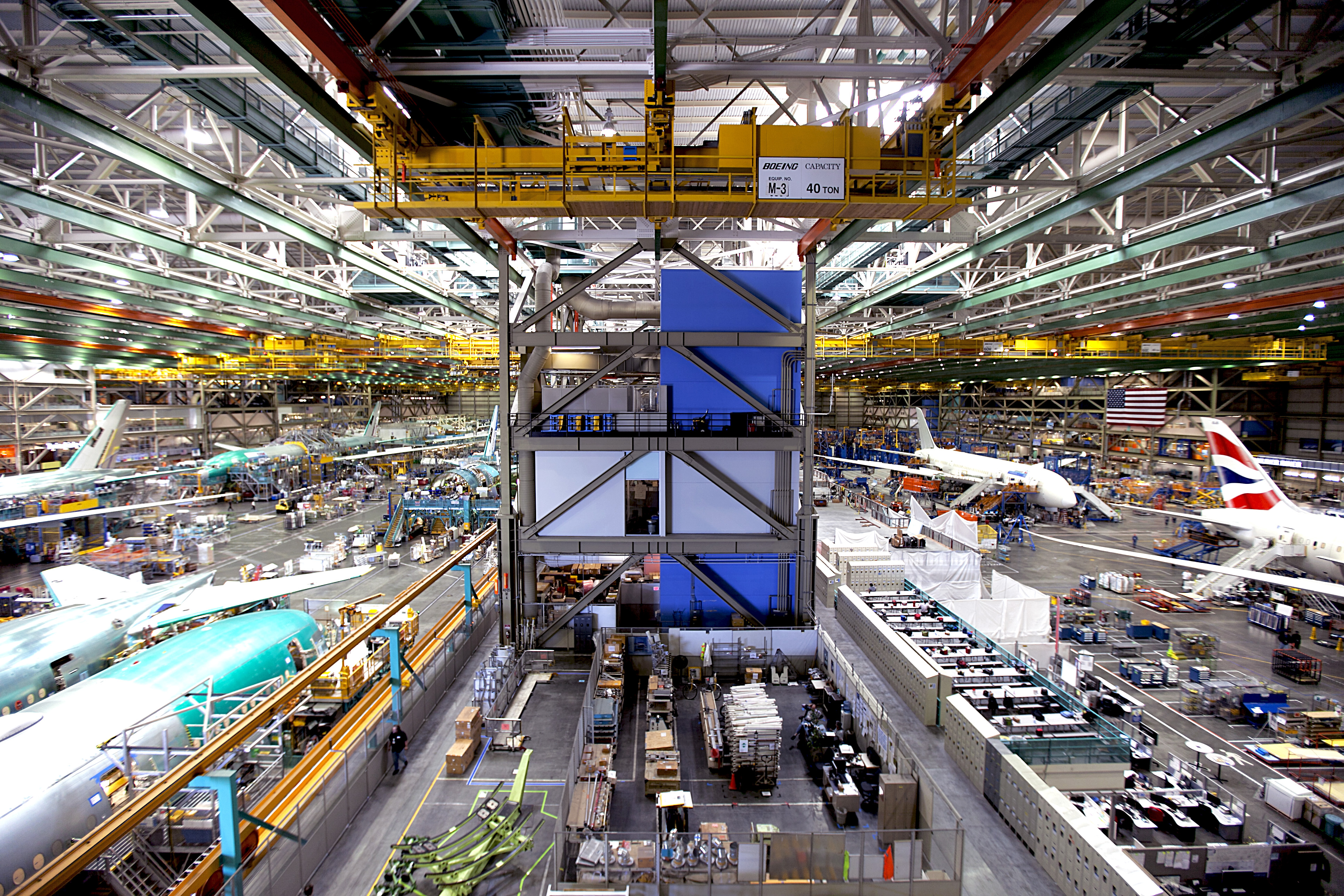
According to new data collected by MNI, researcher and compiler of the U.S. manufacturing data that powers IndustryNet, manufacturing employment in Washington State stalled in the past year, edging down by 400 jobs or about a half percent between April 2017 and April 2018. This follows Washington State's impressive manufacturing recovery in the years following the recession, in which the state added nearly 20,000 or 7%, surpassing its pre-recession employment in 2015. This article will take a closer look at Washington State's industrial sector, delving into specific industry, city, and regional factors. We'll examine the state's outlook in light of recent changes such as tax reform and import tariffs, and examine its post-recession growth in detail. Washington State manufacturing: the year in review Washington manufacturers lost 439 jobs between April 2017 and April 2018, a half percent loss. Losses were led by a 6.8% decline in transportation equipment employment, which remains the state's largest industrial sector for number of manufacturing jobs, employing 53,194.
Industrial News·Thursday, July 5, 2018
Top hot-rolled steel companies in the U.S.
The U.S. Department of Labor Bureau of Labor and Statistics indicates that nationwide, hot-rolled steel production increased approximately 10 percent over last year. Its total economic impact is even more impressive. It accounts for more than $520 billion in economic output and nearly two million jobs, factoring in the direct (the product itself and its workers) and the indirect (products made from hot-rolled steel and ancillary jobs supported by the industry) impacts. It's hardly surprising, considering that so many other industries and products depend on hot-rolled steel. Skyscrapers use hot-rolled steel I-beams for structural support. Stores rely on it for heavy-duty shelving and racks. Roadways use steel guardrails to prevent accidents. Every mile of railroad track depends on hot-rolled steel. It's hard to imagine our world without it! IndustryNet recently completed an analysis of the hot-rolled steel industry based on their extensive manufacturing database and found that the number of jobs nationwide increased by 1 percent over the past year. Average sales for the past year neared $900 million, an increase of almost 3 percent over the previous year.
Resources·Monday, June 25, 2018
Top resources for finding skilled manufacturing workers
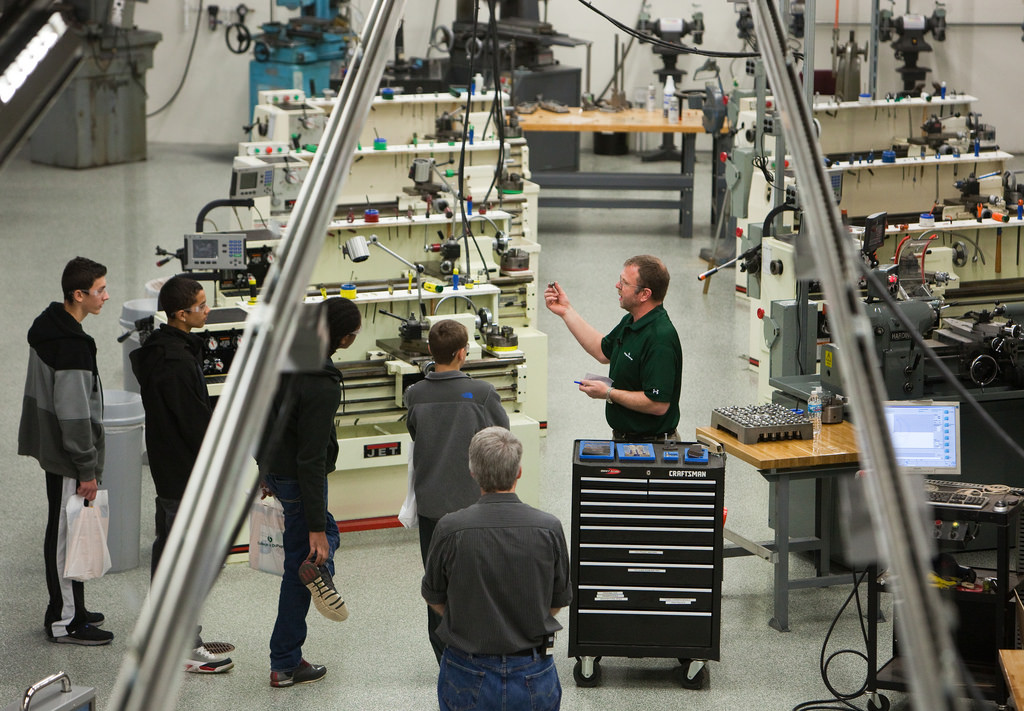
The manufacturing skills gap is a multipronged issue requiring several different combined approaches for relief. One common theme though is that students, schools, colleges, industries, as well as local, federal and state governments all need to combine efforts to resolve the issue successfully. U.S. manufacturing reached its peak in the late 1970s. It provided stable, family-sustaining wages for individuals with only a high school degree, making the American dream possible for many. Offshoring (moving jobs overseas to take advantage of lower-wage workers) and the Great Recession combined to leave the total number of available manufacturing jobs at only 11.5 million by 2010. Unfortunately, now that the manufacturing sector is poised for tremendous growth, other factors have entered the picture, making the job market very tight. Baby boomers who should have been able to retire saw their savings decimated by the Recession and are staying on the job longer. While the reshoring initiative shows promising results, the types of jobs returning from overseas vastly differ from the jobs that left. Instead of low-skilled, manual labor, many of the jobs require some knowledge of robotics or computer skills. Individuals who could have performed the jobs that left are no longer qualified for the jobs that are returning. For the first time since 2000, the number of job seekers outweighs the number of jobs available. The National Association of Manufacturers (NAM) recently polled its membership to find that a staggering 72.9 percent of manufacturing companies indicate that workforce attraction and retention is the number one pain point. Additionally, 79.8 percent of the membership had current unfilled positions, with 34.4 percent losing business opportunities due to their inability to recruit and retain a full complement of workers.
Industrial News·Tuesday, June 19, 2018
Key facts on the U.S. steel industry today
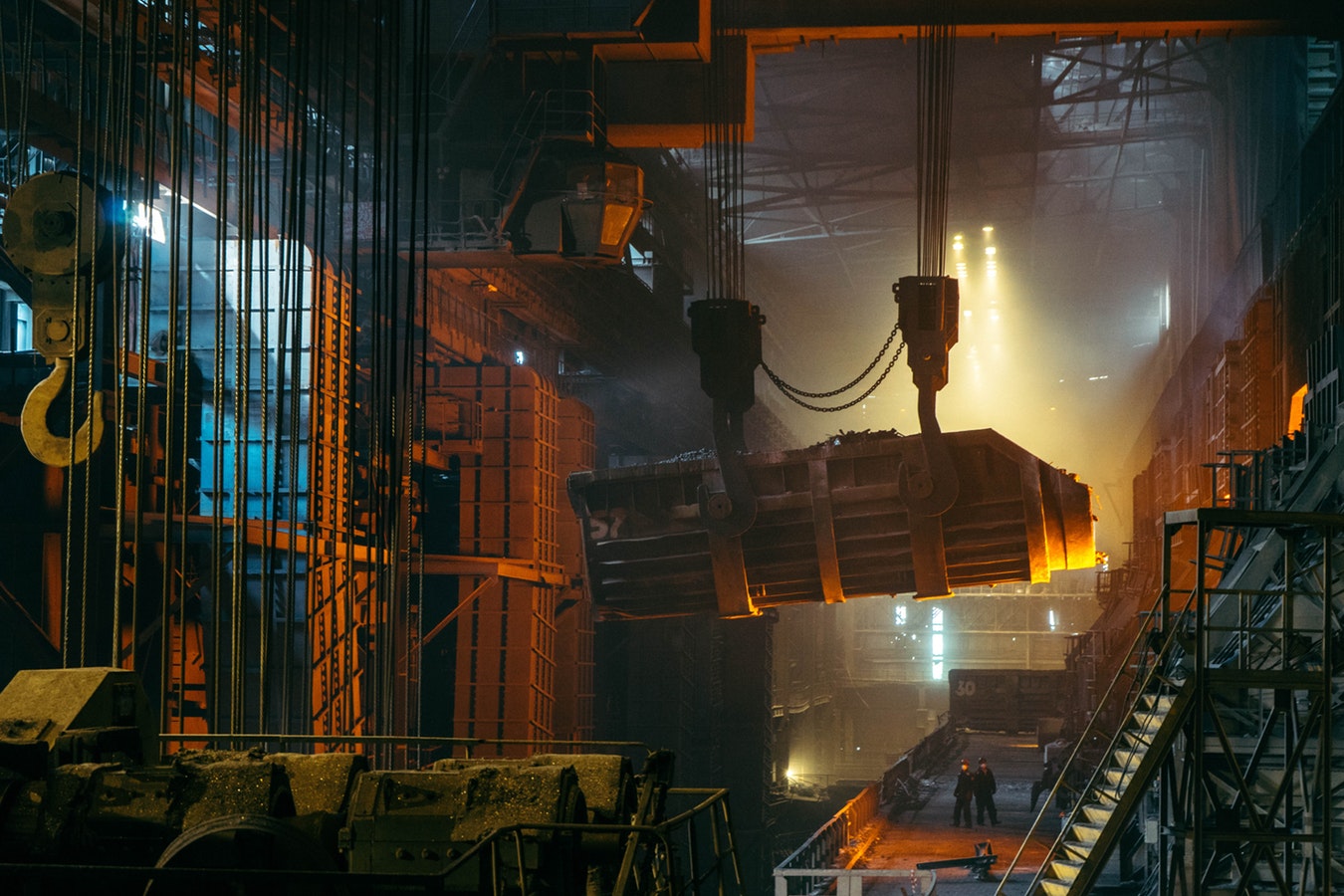
On March 1, 2018, President Donald Trump announced that his administration planned to enact a 25 percent tariff on imported steel. On June 1, 2018, that tariff went into effect on steel from the European Union, Canada and Mexico. Ripples are spreading throughout the economy. Reactions within the U.S. have varied more along regional lines than ideological ones, with optimism running high in steel-producing states. Steel manufacturers are anticipating increased prices and higher profits. On Wall Street, steel stocks jumped. U.S. manufacturers are expected to decrease purchases of foreign steel in favor of domestic products, adding further to U.S. steel companies' bottom lines. Steel is a vital component for many industries. It comprises up to 65 percent of the weight of a car. Steel is essential for construction because of its durability, workability and cost. About half of available steel goes into buildings and infrastructure. Equipment manufacturers use another 16 percent.

Resources·Friday, June 15, 2018
Trump issues new round of import tariffs on Chinese goods. Here is the full list.
The Trump administration today ramped up its trade action against China, announcing a new round of tariffs on Chinese goods in response to what it calls China's "burdensome and discriminatory practices related to technology transfer, intellectual property and innovation" -- in short, intellectual property theft and cybercrime. This list of goods with an estimated worth of $50 billion, includes those containing "industrially significant technologies" fundamental to China's "Made in China 2025" industrial policy. U.S. Trade Representative Robert Lighthizer said in a statement "We must take strong defensive actions to protect America's leadership in technology and innovation against the unprecedented threat posed by China's theft of our intellectual property, the forced transfer of American technology, and its cyber attacks on our computer networks." The new list of 818 products slated for tariff action is adapted from a previous list of 1,333 products worth $34 billion first published by the Trump administration on April 6th and will go into effect July 6th.

Industrial News·Thursday, June 14, 2018
America's largest and fastest-growing companies in material handling
As the further expansion of U.S. manufacturing portends an economic boom, material handling companies will likewise continue to benefit from positive growth. Companies in every subcategory of the material handling industry have reported hiring gains to IndustryNet, which shows that U.S. manufacturing keeps performing well. A look at the latest data provides insight for those interested learning more about the largest and fastest growing U.S. material handling companies. What's new in material handling? Resilience has been the hallmark of the U.S. material handling industry over the previous year. As a broad, diverse manufacturing sector, material handling companies include: -Packaging -Storage equipment -Conveyors -Hoists -Software -Forklifts -Pallets -Material handling equipment -Strapping -Warehouse equipment -Shelving and racking -Containers

Company Announcements/Insights·Tuesday, June 12, 2018
Business Credit Reports delivers affordable business credit monitoring
Business Credit Reports Inc., the largest independent provider of business credit information, has added Lifetime Monitoring to its list of small business services, enabling companies to monitor their customers' credit profiles indefinitely for only $5.00 per account per year. BCR's Lifetime Monitoring enables companies to monitor the credit profiles of any number of U.S. or Canadian businesses for slow payments, collections, tax liens, judgments, derogatory comments and bankruptcy. When any of these events occur, an alert is sent to the Lifetime Monitoring subscriber. Credit account monitoring gives credit managers an early warning when one of their customers is experiencing trouble that might impact their ability to pay their credit obligations. This early warning enables credit managers to take action to be first in line to collect outstanding debts and protect against further risk.

Industrial News·Monday, June 11, 2018
Emerging trends in the U.S. material handling industry
The material handling industry has proven itself to be a pivotal force in the relationship between producers, retailers and consumers. This industry is involved in moving materials from point A to point B within the confined space of a building - something that can often be done by hand, trolleys, forklifts or other wheeled devices. The conveniences of technology have made themselves known in this industry. The introduction of driverless vehicles, new and improved containers and streamlined conveyor belt systems have had an overwhelmingly positive effect on the material handling industry. This has caused massive growth within the industry, as is evidenced in an article published in MHI Solutions. However, the most important innovation is smart technology. It allows material handlers to easily keep track of their stock; retrieve missing, lost or stolen items; and streamline transportation options. By discussing the number of companies and jobs in the industry, job changes over the years, average sales and sales change within the industry, the state of material handling as a business and as a whole can be discussed.
