

 Precision milling and turning constitute a relatively modest part of the precision machining industry, with just under 2 percent of the total companies in that space dedicated to this craft. Small but mighty, do not be fooled as this sector is still growing rapidly.
Milling and turning providers saw a 1 percent growth in sales since last year, generating nearly $215 million. This is an impressive figure considering that there are only 145 companies in this space.
Industry data for precision milling and turning
Suppliers that focus on precision milling and turning contribute to the economy in other ways as well. As of this year, 2,593 jobs could be directly associated with these companies. This population has grown two percent compared with the previous year.
The growth appears to be evenly distributed as five percent of companies reported employment growth compared with three percent that reported a decline.
Industry distribution
The distribution of milling and turning companies is overwhelmingly concentrated in the Midwest, with 49 percent residing in the center of our nation. The rest of the country is almost equally dispersed, with the South, West and Northeast hosting 17 percent, 16 percent and 18 percent respectively.
These demographics are somewhat different than the overall machining sector, which tends to be more evenly proportioned.
Precision milling & turning: the process explained
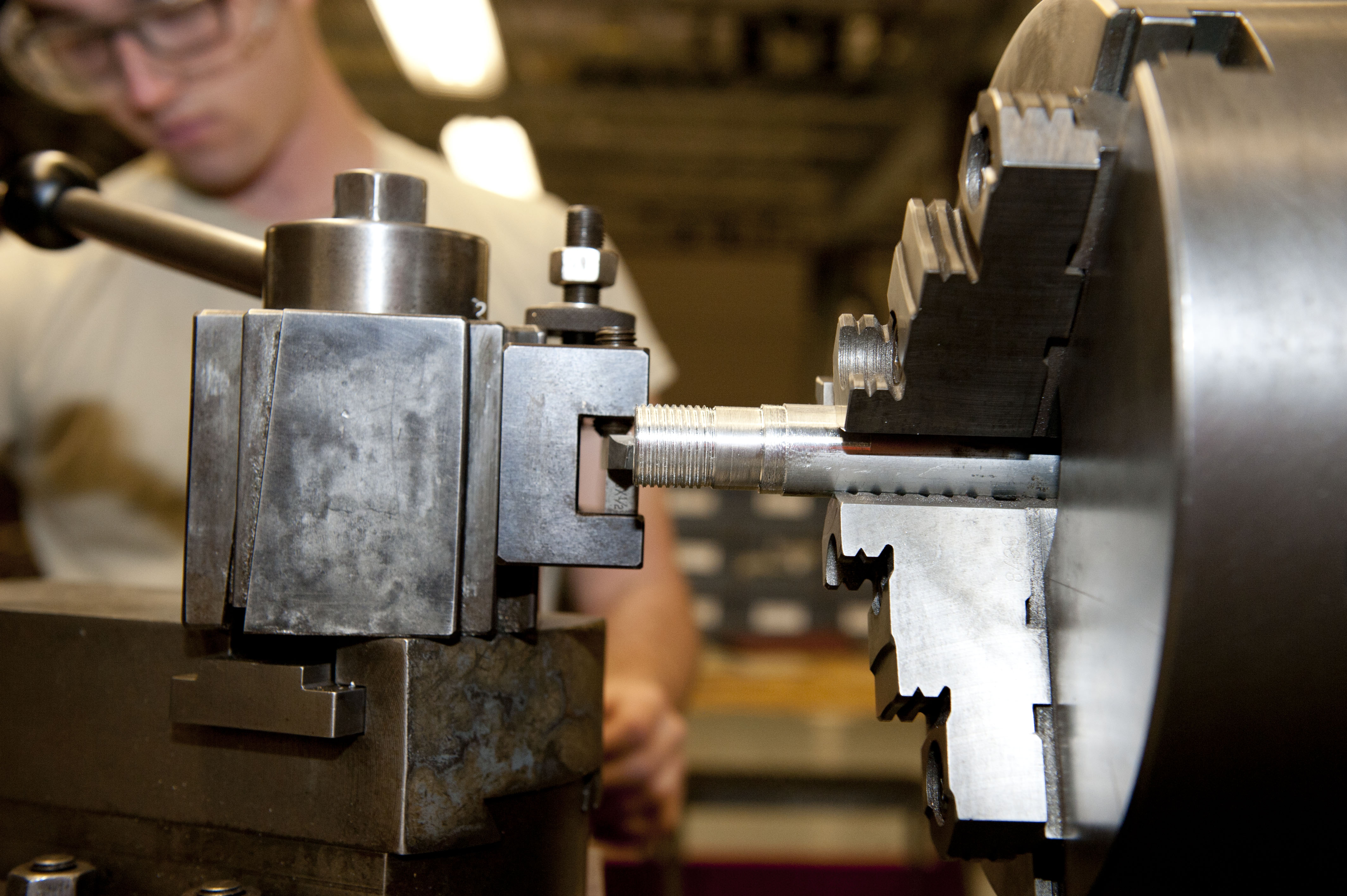
Milling and turning are very similar in overall results but differ in execution. Milling refers to a process that removes material by moving the subject laterally or vertically relative to a spinning cutting tool. Turning refers to a process that removes material by rotating the subject at high speed and translating a stationary cutting tool across its surface.
While manual machines are still in widespread use, the industry has been revolutionized by the introduction of computer technology in controlling the cutting sequence. These machines are widely referred to as CNC or Computer Numerical Control.
Industry innovations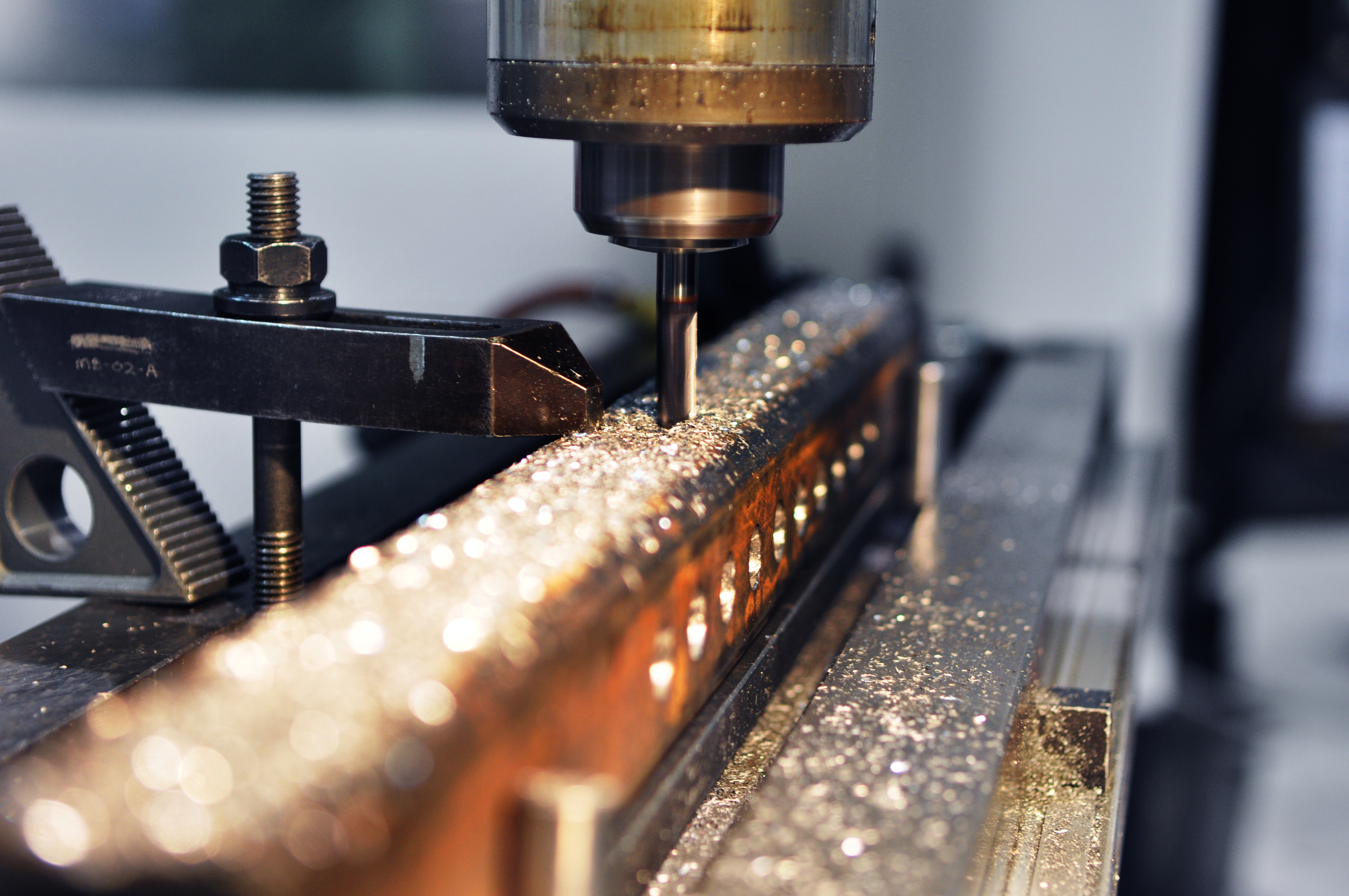
Other advances in the field involve materials for the cutting tools themselves. Due to the much higher rotational speeds achieved by today's modern machines, the materials have to be far more resistant to heat and distortion than before. Carbides and ceramics are beginning to dominate the field, relegating steel tools to slower machines.
Part control has gone from 3-axis to 5-axis, enabling faster cutting times and more efficient paths for pieces with complex geometry. Enabled by high-speed computers and precise motor control, this technology has opened up entirely new markets for milling and turning machines, including fine art and jewelry.
Current industry trends point towards an integration with "internet of things" (IoT) to streamline and simplify processes in the future. Additionally, remote monitoring of running processes and the ability to accept designs from anywhere in the world may open up opportunities for smaller shops to become a digital factory for clients of any size.
Connect with a provider
IndustryNet can connect you to every precision turning and milling company in America. If you need different services, they can connect you to over 400,000 manufacturers and suppliers of more than 10,000 products and services. The data they collect is free to use and easy to access via an online marketplace. Click here to see a full listing of the nation's precision milling and turning companies.
