


In industries where precision and purity are necessities rather than luxuries—think healthcare, biotechnology, lab instrumentation, and semiconductors—the controlled introduction of gases into liquid (or even gas) streams is foundational. Two components quietly making this possible are spargers and gas diffusers. Though often grouped together, they serve distinct functions depending on the application.
Defining the Difference
A sparger is a device that typically injects gas into a liquid through a network of holes, slots, or porous media, creating relatively large bubbles. This promotes aggressive mixing and is valuable where high flow rates and mass transfer are needed.
A gas diffuser, in contrast, uses finely porous materials to create small, consistent bubbles with high surface-area contact. The result is gentler, more controlled gas-liquid interaction, ideal for processes requiring subtle aeration or where contamination and turbulence must be minimized.
While both facilitate gas transfer, spargers prioritize throughput and agitation, whereas diffusers focus on precision and uniformity.
Semiconductor Manufacturing
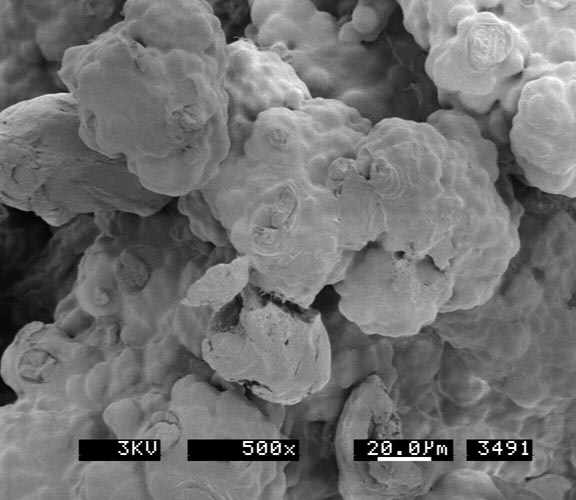
In chip fabrication, absolute purity is non-negotiable. Spargers are used in wet etching and cleaning baths, ensuring consistent gas dispersion (typically nitrogen) for agitation and contaminant removal. Meanwhile, gas diffusers deliver ultra-high-purity gases (like hydrogen or argon) in chemical vapor deposition (CVD) and oxide growth processes, where microscopic bubble size minimizes turbulence and protects wafer integrity.
Bioprocessing and Biotech Applications
In bioreactors, spargers deliver oxygen or CO₂ for cell culture aeration. Their ability to saturate fluid volumes ensures robust growth conditions—although care must be taken to avoid shear stress. Diffusers serve roles in delicate processes such as stem cell cultivation or enzymatic reactions, offering gentler gas introduction to preserve cellular structures.
Additionally, in fermentation tanks, spargers provide needed oxygen to microbial cultures, while diffusers maintain dissolved oxygen levels for downstream purification and metabolite control.
MedTech and Medical Devices
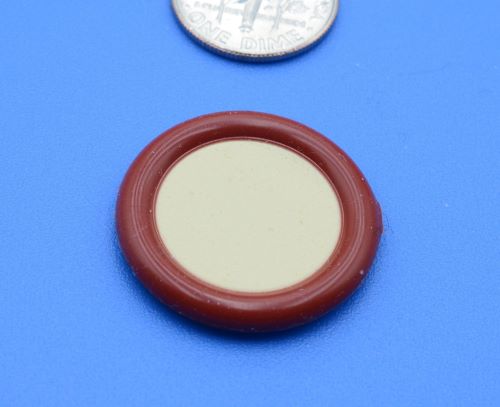
MedTech systems often rely on miniature diffusers for gas management in dialysis machines, respiratory devices, and infusion systems. These components vent excess gases, prevent air embolism, and ensure seamless fluid transfer. In contrast, sparger-like vents may be used to equilibrate pressure within sealed devices, providing consistent operation under varying environmental conditions. Material choice (e.g., sintered PTFE or PE - polyethylene) is often critical here, where biocompatibility and sterility are paramount.
Diagnostic Applications

In diagnostics—from blood analysis platforms to lab-on-a-chip systems—gas diffusers help regulate microfluidic flows and prevent bubble formation that could disrupt assays. Their ability to maintain clean, laminar flow is crucial to sensitive readouts. Sparger principles find niche use in sample preparation stages where fluid mixing is required without mechanical agitation.
Summary
Whether etching silicon wafers, nurturing stem cells, or protecting patient safety, spargers and gas diffusers quietly uphold the standards of critical industries. Understanding their distinct roles and tailoring materials and designs to each environment can dramatically enhance system performance and reliability.
