

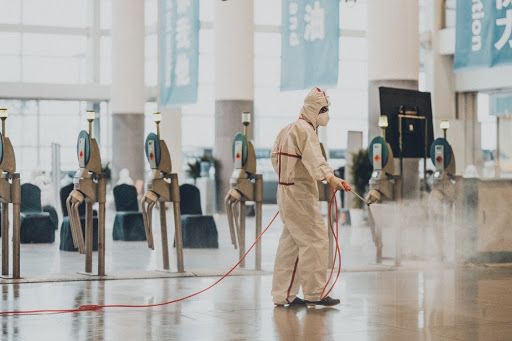
The world has changed dramatically since the outbreak of the COVID-19 pandemic. Now, more than ever, public health is a top concern for citizens, businesses, and communities everywhere. If you operate or own a commercial space, you have a responsibility to prevent the spread of COVID-19.
However, with so many unknowns, it can be challenging to keep track of the best practices.
How can you ensure that your commercial space is sanitized, cleaned, and as safe as possible?
While we’re still learning about how this virus works, there are some basic guidelines and best practices that will help to keep you, your employees, and your customers safe.
Complete an Inventory of The Hot Spots
To be able to sanitize and clean your commercial space effectively, you need to know where your hot spots are located. Hot spots are areas or items that people frequently touch.
These spots can be havens for germs and bacteria, and they should be the primary focus when cleaning your commercial building.
Hot spots include things like:
- Light Switches
- Railings
- Phones
- Elevator Buttons
- Desks
- Kitchen Area
- Remotes and Buttons
- Counters
- And more
An office building will have radically different hot spots than a warehouse, so it’s crucial to identify where germs are most likely to collect in your building.
This is also a fantastic time to find any problematic surfaces.
For instance, if you have surfaces like wood or natural stone that are more difficult to clean with strong disinfectants, you might consider swapping them out.
A great example would be switching out wooden counters with solid surface counters, simply because they’re easier to clean and maintain with powerful, commercially available disinfectants.
Once you know the hot spots of your building, it’s a good idea to create a plan of action.
Be Proactive About Cleaning Protocols
Create a cleaning and sanitization schedule that addresses all the hot spot areas to ensure that everything is cleaned regularly.
Educate and hold your employees to a standard of cleanliness and enforce sanitation rules.
You need to implement proper hand washing protocols and make sure that everyone knows the correct ways to clean and sanitize.
Maintaining a clean environment requires proactive ideological shifts and changes in the usual routine. Keeping your commercial space as clean as it needs to be will take a bit of adjustment, so the more prepared you are, the better.
Have written procedures, assigned tasks, and detailed instructions for proper sanitization. Make sure everyone knows their role in keeping things safe, and the techniques to sanitize and clean properly.
What are the proper cleaning and sanitization techniques?
Cleaning and Sanitizing Best Practices
Cleaning and sanitizing (or disinfecting) are two different things. Cleaning reduces germs while disinfecting kills germs. Both are critical to maintaining a safe environment.
To safely clean and disinfect:
- Be sure to wear disposable gloves and dispose of them after each use.
- Clean surfaces with water and soap before disinfecting.
- Disinfect using an EPA-Registered Disinfectant, diluted bleach solutions, or alcohol solutions that are at least seventy percent alcohol.
- Be sure to only disinfect in well-ventilated areas.
- Keep the disinfectant on the surface for several minutes before removing it.
- Clean soft surfaces like couches, carpets, and rugs with soap and water or disinfect with a disinfectant after vacuuming.
While cleaning, it’s important to wash your hands frequently. Scrub them with soap for at least twenty seconds before rinsing with warm water. When in doubt about the best practices for a particular cleaning agent or disinfectant, follow the product label.
Other Considerations
Sometimes you do everything right and an outbreak still occurs. It’s important to create a preparedness plan just in case.
As a first step towards preparing for the worst, start by sealing doors and windows. If someone contracts COVID-19, it’s possible to close off the area where they were and keep it contained. However, if your doors, windows, and spaces aren’t sealed, this won’t be possible.
Then, wait at least twenty-four hours before entering the contained space to clean and disinfect it. You want to allow as much time as possible for the virus to die out. Then, follow proper cleaning protocols for cleaning that space and everywhere that person was.
To be extra careful, consider wearing additional PPE during the sanitization process.
Stay Safe During COVID-19
If you follow these best practices, you’ll have a much higher chance of keeping you and your employees safe.
Be sure to regularly check CDC and other health organization recommendations and stay on top of the latest news.
The more we learn about the virus, the more we’ll be able to prevent COVID-19 spreading.
Matt Lee is the owner of the Innovative Building Materials blog and a content writer for the building materials industry. He is focused on helping fellow homeowners, contractors, and architects discover materials and methods of construction that save money, improve energy efficiency, and increase property value.
Have expert advice like this to share? IndustryNet can help you reach the right audience. Learn more about our marketing solutions.
