

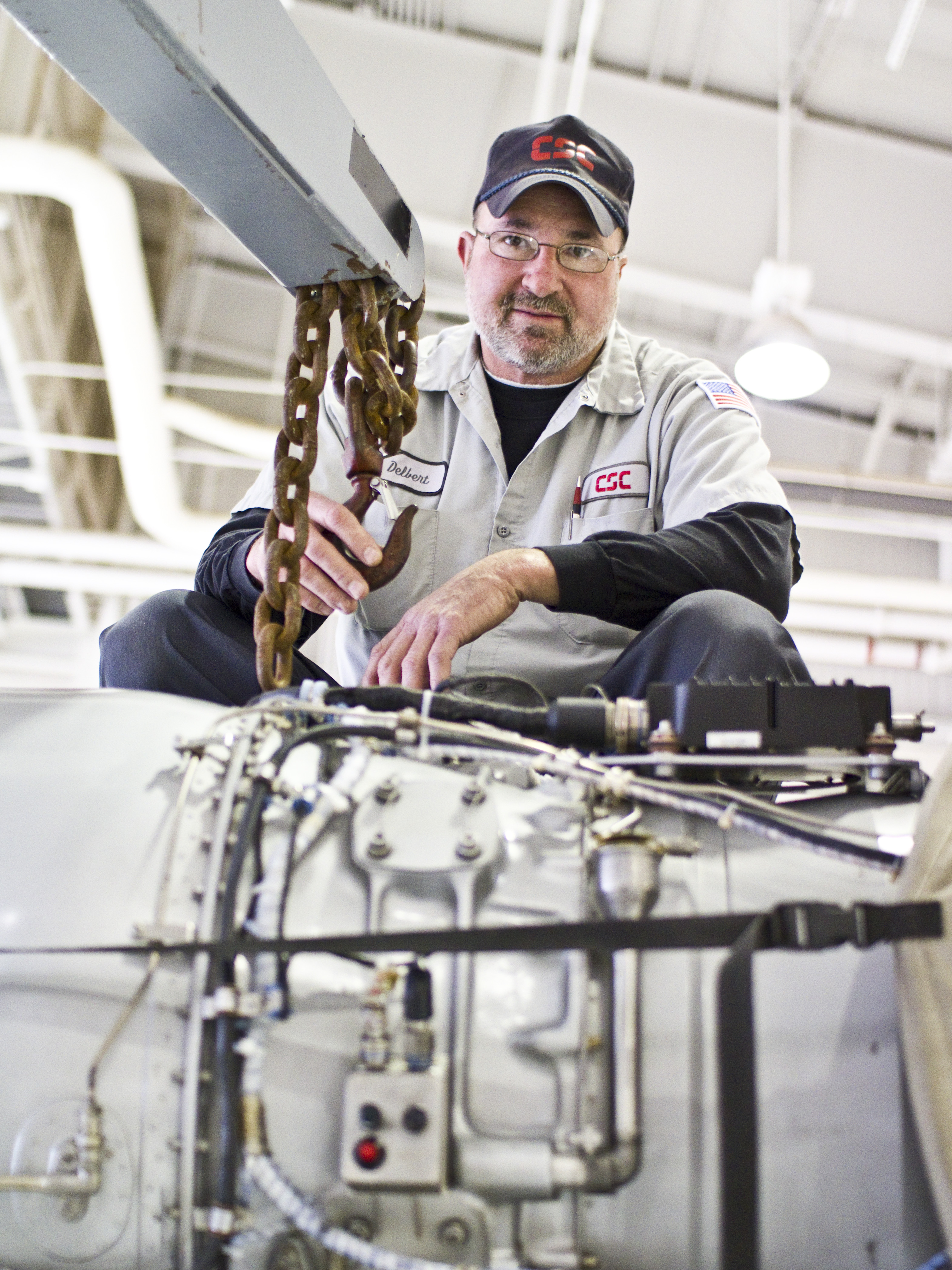
 Material handling encompasses any type of short-distance movement of products or materials, either within a building or between a facility and mode of transportation.
It can involve manual, semi-automated or automated equipment. During manufacturing, storage, distribution and disposal, material handling is an integral part of operations.
Hoists are a vital and growing segment of the material handling industry. A hoist is a device consisting of a drum or wheel wrapped with a rope or chain, which lifts or lowers a load.
Hoists may be manually operated or automated, and their power can be provided by hydraulics or motors driven by either electricity or air.
Types of hoists include everything from small units, which allow a single person to lift heavy items such as engines or crates, to multistory cranes.
Related: Choosing the right material handling equipment for your business
Hoists are used in areas as diverse as manufacturing, warehousing, oil drilling and construction.
Many types of accessories, such as hooks and slings, are available to accommodate the type and weight of the loads being lifted and the challenges of the operating environment.
Hoists may be sold as standardized units or customized for specific applications.
U.S. hoist manufacturers report strong job growth
IndustryNet's comprehensive collection of data on 80 hoist companies showed that they now provide 2,546 jobs, an increase in employment of 11 percent over the 2,292 jobs reported a year ago.
Sales have also grown from $5.74 billion to $5.75 billion over the same period, a rise of 0.27 percent. The largest hoist companies by square-footage and employee growth are in the Northeast, South and Midwest, with top companies in each category in Pennsylvania and Virginia, respectively.
Improving safety and productivity
Hoists significantly impact both the health of the workforce and the employer's bottom lines. Improper lifting can contribute to workplace injuries and workers' compensation claims as well as reduce productivity.
Many claims are considered cumulative trauma disorders. They occur over time rather than during a specific incident. Repetitive activities such as lifting, gradually result in damage, which may occur in many parts of the body, but often occur in the lumbar region. Hoists can aid in minimizing such injuries.
Hoists also contribute to lean manufacturing by allowing employees to work more efficiently with less fatigue. They eliminate wasted motion. Even a gain of five or 10 minutes per shift can result in an easily discernible return on investment.
New developments in the industry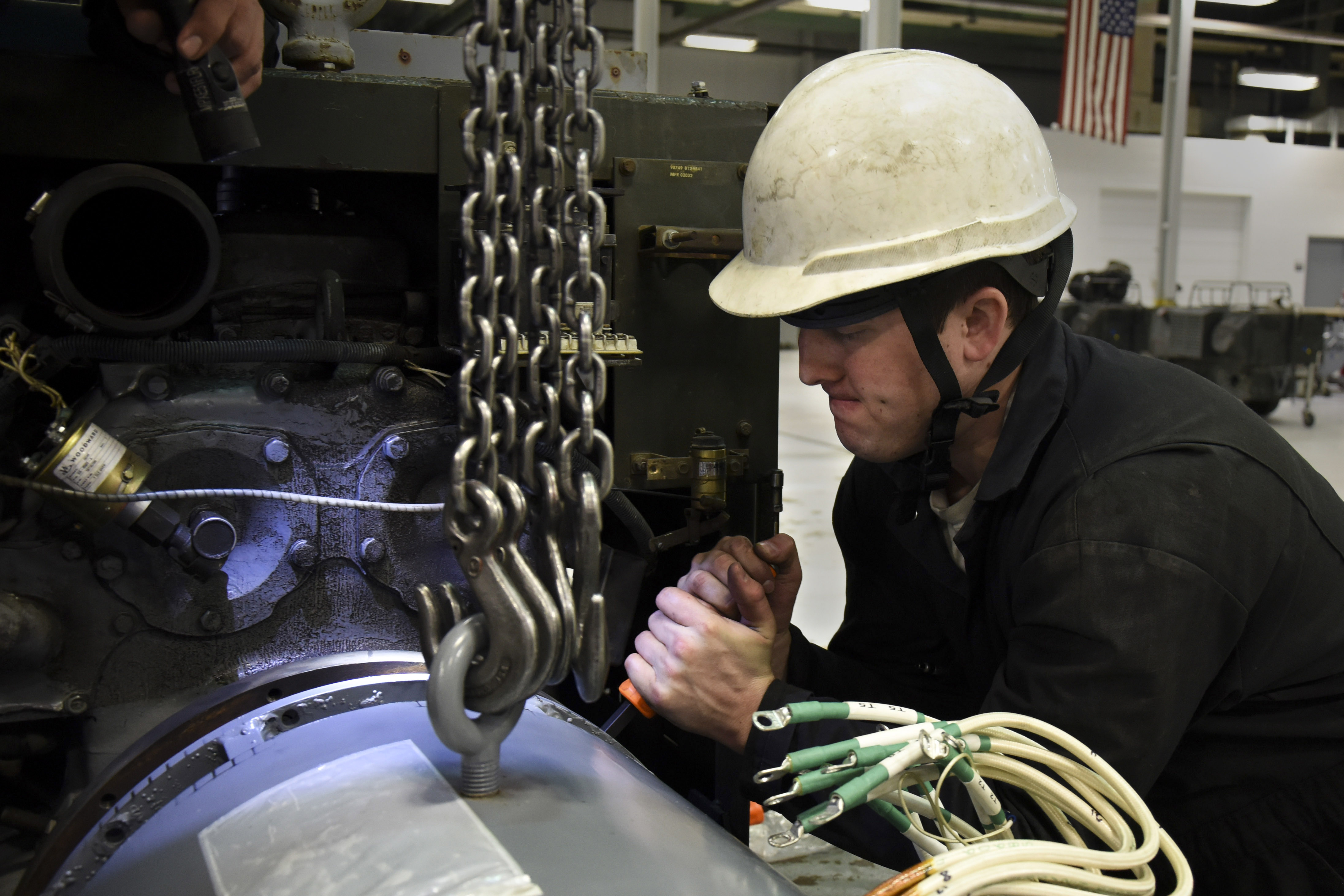
Utilizing advances in technology, hoist manufacturers continually innovate.
For example, the Pulse Monitor Electric Hoist Data Interface from industry leader Columbus McKinnon Corp. is an electronic monitoring system that records critical performance data during the operation of a hoist that can be read with a computer interface kit.
The process allows an operator to troubleshoot as well as determine what types of preventative maintenance should be performed.
Other advances include designing housings in accordance with IP55, a standard that promotes improved worker safety and resistance to intrusion by hazards such as dust and water.
To better accommodate customers such as process industries, improved hoists for use in harsh environments are being offered by trendsetting companies such as ACCO Material Handling Solutions.
Learn more
IndustryNet continually gathers and maintains information on over 400,000 manufacturers and suppliers of more than 10,000 products and services. A free online search can yield a list of hoist providers by location, certifications and capabilities. Customers can readily obtain a free quote or contact vendors either directly or through social media.
