

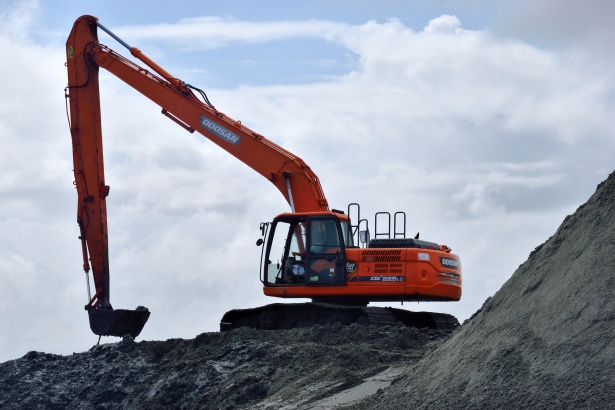
 Construction machinery, by and large, is a capital-intensive investment.
Despite the turmoil in world markets, it remains in steady demand by builders and municipalities nationwide.
What follows is some information on the sector and things for buyers to consider when looking to acquire heavy equipment.
Housing starts low
Compared to 2017, new homes started 10% lower in 2018. Demand for houses throughout 2018 effectively stalled due to rising prices and interest rates.
The conditions have not improved in 2019, as housing starts in March have reached a two-year low.
While demand remains high, consumers are opting to hold off on purchases. However, completions are slightly elevated as existing contracts are being fulfilled.
International tensions
Another factor in the housing start slump is the "cold" trade war with China. Hundreds of tariffs and billions of dollars' worth of goods are caught in the middle of a standoff between these two economic powerhouses.
Caught in the mix are raw materials like steel and completed machines such as excavators and bulldozers. This has caused manufacturers to resource their products and find suppliers close to home. These changes have caused prices to escalate in compensation for many companies.
Market stagnation
Despite the fact that many large-scale infrastructure projects underway by various municipalities, the construction machinery industry has remained relatively flat, financially speaking. With year-to-year growth of -0.39%, it is clear that international effects and the housing market have had a significant damper on sales.
A signal that things may not be as bad in the future is the fact that jobs in the industry have grown by 6% during the same period. This points towards an increase in national development and manufacturing capability.
This should result in increased sales in the future as companies pivot to be profitable in the new re-shored economy.
Local supply chain advantages
However, some companies are ahead of the curve and already source and manufacture domestically. With already established domestic supply chains and distribution networks, they are able to weather international disturbances with less upheaval than more globally dependent companies.
Read more>>Construction Equipment Industry Outpaces Overall U.S. Manufacturing Growth
For example, Charles Machine Works Inc. is the parent company behind such brands as DitchWitch, HammerHead Trenchless, American Augers and Subsite Electronics. All of these companies develop and manufacture locally, insulating them from many of the instabilities that affected other brands during 2018.
Efficient and robust shipping
Sourcing locally has other benefits as well. Shipping costs and complexity are substantially reduced without the need to import from overseas. Port strikes, natural disasters and geopolitical unrest cease to be factors when shipping within the nation.
Altorfer-Cat provides construction equipment to multiple industries including agriculture, mining, forestry, construction and waste management. By focusing on servicing a finite area encompassing eastern Iowa, northeast Missouri, northern Illinois and western Indiana, they can keep their expenses low.
In exchange, their customers get personalized attention at uninflated prices.
Local pride
In other cases, local sourcing can lead to credibility and pride among their customers. Surveys show that up to 75% of customers prefer to buy locally and support their own economies.
Bigfoot Construction Equipment Inc is owned by veterans and makes a point of supporting American workers. Located in Woodstock, Illinois, Bigfoot produces outrigger pads and distributes concrete pumps, cranes and aerial equipment.
Another example is Bloom Manufacturing located in Independence, Iowa. Founded in 1910, Bloom Manufacturing has been at the same facility since 1974 and is an integral part of the local economy.
Producing industrial-level winches, including their proprietary Safe-Lift winch, Bloom Manufacturing employs people from the surrounding area as part of their contribution to the community.
Adequate support
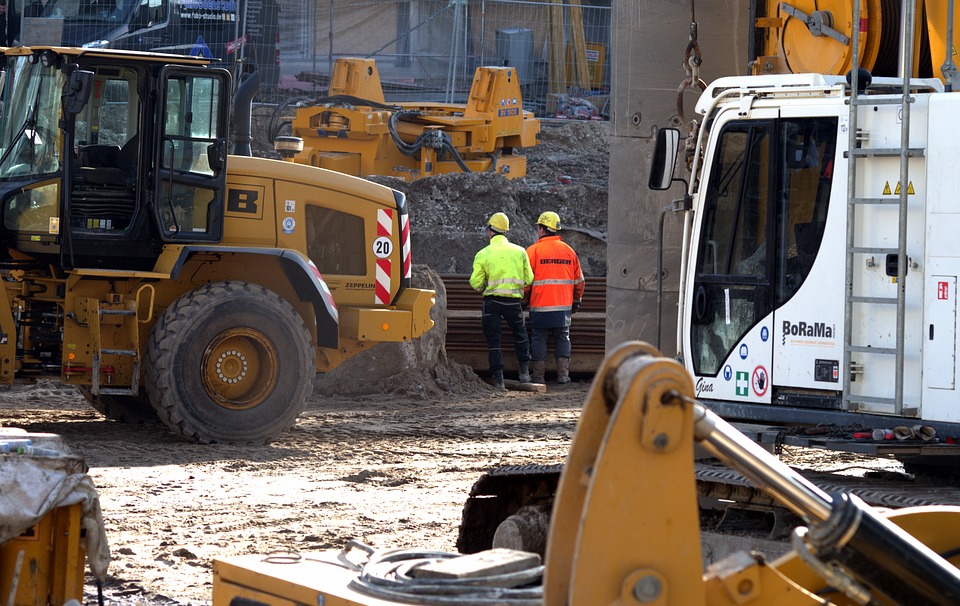
While the companies discussed above are shining examples of reliable suppliers, buyers must still exercise good judgment when it comes to purchasing construction machinery. Location of the company as mentioned can affect delivery and support levels.
A company based overseas may not have the domestic infrastructure to provide the same levels of support that a domestic or local company can. In the case of construction equipment where downtime is extremely expensive, a delay in servicing can put projects in jeopardy.
Lead time considerations
Another situation to be aware of is protracted lead time with overseas orders. Shipping in nearly all cases is literally shipping on board an ocean-going vessel.
This equates to a month on average of travel time, not including any factory lead time.
For time-sensitive projects, a month or more in delay may be unacceptable. Domestic and local suppliers have far shorter lead times and, in many cases, ready inventory that a buyer can have sent out or pick up on the same day an order is placed.
The construction machinery industry is in the midst of a major change in how it produces equipment. 2019 should hopefully see enhanced sales growth and expanded domestic opportunities. During this time, rely on the experts at IndustryNet to provide details on every construction machinery manufacturer in the United States.
With free listings of more than 400,000 manufacturers from different industries and suppliers of more than 10,000 products and services, IndustryNet is kept current by a dedicated team of researchers, dedicated to helping industrial buyers connect with suppliers.
