

Three Common Misconceptions About Automation Systems: Introduction
Automation, a transformative force in the manufacturing industry, has empowered companies to boost production volumes, slash error rates, and trim lead times. This technological marvel, employing advanced equipment like robots and computer vision systems, handles a myriad of manufacturing tasks. From cutting and drilling to filling containers, packaging products, and identifying defective items, robots and computers are the unsung heroes that enhance efficiency, minimize waste, and elevate precision. Moreover, automation alleviates the burden of repetitive tasks from human workers, thereby reducing the risk of overuse injuries and mitigating labor shortages.
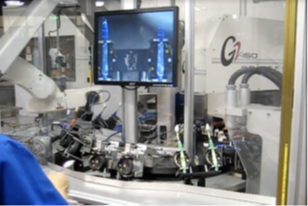
It's important to note that automation is not a panacea for all manufacturing challenges. Many tasks, due to their complexity or unique nature, remain difficult or even impossible to automate, and this is unlikely to change in the near future. Successful companies understand this and strike a balance between manual and automated labor. They typically assign workers to tasks that require human skills and judgment, while allowing machines to handle basic, repetitive functions. This balanced approach ensures that human workers remain an integral part of the manufacturing process, reassuring them about the future of their roles.
As automation becomes more prevalent, misconceptions about the capabilities of robots and their potential benefits to businesses have surfaced. Many salespeople and media outlets have propagated the idea that robots can entirely supplant human workers, disregarding the intricate nature of the labor landscape. In this text, we aim to dispel these widespread misunderstandings about automation that often foster unrealistic expectations for companies.
Misconception #1: Robots Are Better Than Humans
Another prevalent misconception about automation is the belief that robots are superior to humans or that they can entirely replace human workers. However, the reality is far more intricate. While robots shine in certain tasks, humans still hold the upper hand in others. Robots are particularly adept at tasks demanding high repeatability, precision, and speed. Yet, they are most effective when it comes to performing simple movements repeatedly. The labor landscape is a complex ecosystem, and the idea of a complete robot takeover oversimplifies this reality.
Tasks that demand greater agility, dexterity, or judgment should be handled by humans, who can manipulate components more flexibly, recognize changes, and make adjustments in real time, even modifying their approach from one iteration to the next. What might seem like a trivial motor task for a human can often be quite complex for a robot. Furthermore, tasks that involve visual inspection or rapid decision-making—such as noticing subtle color differences or deformities—often require sophisticated programming. In some cases, these nuances cannot be detected reliably by robots at all.
Effective automation emerges from collaboration between humans and robots. It’s essential to clarify that automation is not synonymous with robotics. Robots are tools that facilitate automation, but automation itself is a broader process involving the application of these tools in manufacturing. The goal is not to replace human workers but to automate repetitive tasks while still utilizing the superior agility, dexterity, and judgment of skilled personnel.
Misconception #2: Machines Take Care of Themselves
Another common misconception about automation is the belief that you can simply “set it and forget it.” This idea partly arises from misleading marketing tactics and the general perception of robots as tireless machines. In reality, no industrial equipment is truly maintenance-free; even the most durable and reliable machines require ongoing care. To ensure proper functioning, it's essential to perform regular preventative maintenance and keep both software and hardware updated. Establishing a routine schedule for checks and adjustments can help prevent faults and equipment failures.

While scheduled maintenance is crucial, how workers treat machines on a daily basis is just as important. Although automated equipment is primarily hands-off, some tasks still require regular attention. For example, feeding mechanisms need to have access to the correct type and amount of materials, and vision systems must be kept clean and unobstructed. Therefore, while automation significantly reduces the need for human intervention, even the best equipment cannot operate entirely autonomously. In other words, your automated processes require ongoing care and maintenance.
Misconception #3: Automation Is One-Size-Fits-All
A common misleading marketing tactic is claiming that automation equipment is suitable for every industry or organization. No two manufacturers handle their processes in the same way, and automation should be tailored to reflect that.
Effective automation requires a customized approach that considers a company’s physical, logistical, and cultural constraints. Some important considerations include:
• Existing Processes & Workflow: Changes to the workflow are expected when implementing automation; in fact, embracing change is the primary goal. However, automation should enhance and support existing processes rather than disrupt them.
• Physical Space: New equipment must fit physically into the workspace and integrate logically into the existing setup. It should not be so intrusive that it disrupts employees' interactions with other machinery.
• Financial & Production Objectives: The benefit of a machine for a facility depends on its production volume and financial outlook. Some equipment requires a substantial investment that only pays off if the production scale is large enough or the time frame is long enough. For smaller facilities, such machines may not be worth the investment, while larger ones may see a return within a year. An ideal automation solution maximizes ROI while staying within the company's budget and production capabilities.
• Maintainability: Any machinery integrated into your processes must be easy to maintain and service. With automation, downtime can be detrimental. The quality of the components chosen, their availability, and ease of access are crucial for keeping the machinery operating optimally.
Taking a one-size-fits-all approach to automation can significantly diminish any potential return on investment. It's essential for your automation provider to understand your specific goals and preferences, so their recommendations align with your company's unique needs. At DLS Custom Automation, we view an automation solution as akin to a well-tailored suit—when it is customized for the individual, it not only looks and feels better, but it also boosts confidence and fosters a more positive attitude.
Choose DLS Custom Automation - A Division of McIver Engineering & Controls
At DLS Custom Automation, we understand the immense potential of automation, as well as its limitations. That’s why we specialize in fully customized automation solutions that are tailored not only to our client's physical spaces but also to their work cultures and production capabilities. As expert machine designers and builders, we help companies harness automation to enhance their existing workflows, improve overall efficiency, and increase product quality, all while allowing workers to focus on valuable skilled labor. Each system we create is customized for our clients, ensuring excellent reliability with minimal maintenance and high system availability.
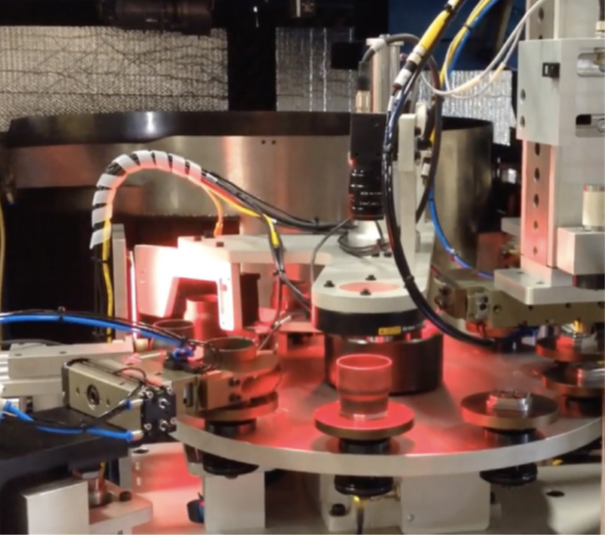
Work With Our Team
Are you looking for a professional custom machine designer and builder to enhance your manufacturing processes? Look no further than DLS Custom Automation, the in-house automation division of McIver Engineering & Control Solutions, LLC.
Our team of experts will work closely with you to develop a tailored solution that fits your unique requirements. We consider your specific process needs, workplace culture, and budget to deliver a solution that meets your expectations. Our main goal is to maximize system availability while minimizing maintenance, which ensures our customized systems operate smoothly in your factory or workshop.
For your industrial control panel and automation needs, choose DLS Custom Automation, a division of McIver Engineering & Controls.
