

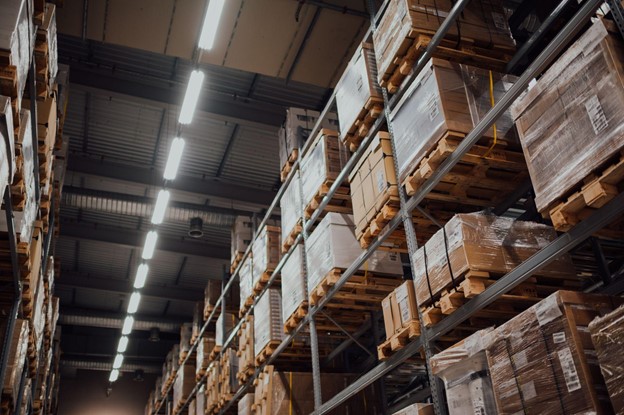
Commercial businesses are under increasing pressure to become more energy efficient. Not only do patrons want to see that big business is doing its part to create a more sustainable planet, but commercial buildings must limit utility costs in order to protect profit margins being challenged by companies relying on remote workforces. With estimates revealing that commercial properties spend, on average, $2.10 per square foot of space on utilities, even the smallest cutbacks in consumption can lead to substantial savings for buildings that are tens of thousands of square feet.
With this in mind, the following breakdown looks at 6 innovative ways that commercial buildings can cut back on energy consumption and curtail utility costs.
1. Perform a Blower Door Test
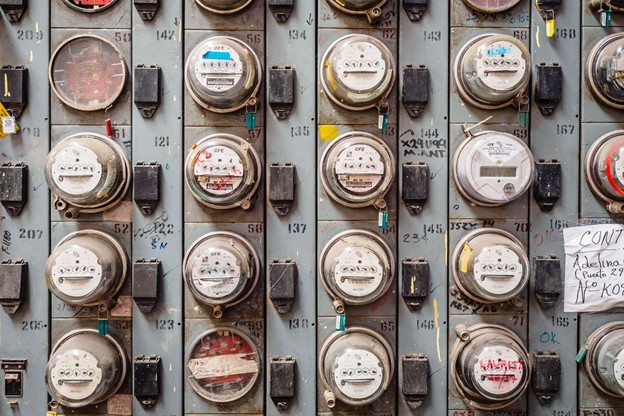
To improve the energy efficiency of a building, it is important to find areas that are, well, inefficient. However, pinpointing areas of concern can be a bit difficult when the average size of a commercial building is 15,700 square feet.
Fortunately, a blower door test can be extremely helpful in this regard. A blower door is a machine that measures the airtightness of a building. It can show the amount of airflow between building zones, the airtightness of ductwork, and pinpoint air leakages in the building envelope. While blower door tests will typically cost a couple of cents per square foot of commercial space, the investment can be well worth it to eliminate the guesswork when locating trouble spots and should quickly pay for itself in the form of lower utility bills.
2. Subfloor Insulation
When most people think of insulation, they often think of the batts or blow-in foam used to line the framing of a structure. While this type of in-wall insulation is definitely important in controlling utility costs (especially for steel buildings that are naturally more conductive to heat flow), a surprising amount of heat is actually lost through the building’s foundation.
Therefore, some type of below grade insulation should be employed to keep a commercial building’s heating costs under control. For those properties wanting the very best, a commercial radiant heating system is the best choice for subfloor insulation. A radiant heating system slowly disperses heat up through the floor in a stove-like manner, eliminating cold pockets and providing a more consistent interior temperature that helps moderate the requirements placed on the HVAC system.
3. Open Spaces
Not only is the open floor plan a stylish trend in contemporary commercial design, but it has real potential for improving the building’s energy efficiency. The open floor plan leverages natural light flow to reduce the need for electric light consumption. Some ways to maximize the energy-efficient benefits of an open floor plan include:
● Large windows with smart glass technology
● Fewer walls in the building’s interior
● Glass partitions and doors to allow light to flow freely
● Bright wall colors to better reflect light
4. Replace the Windows
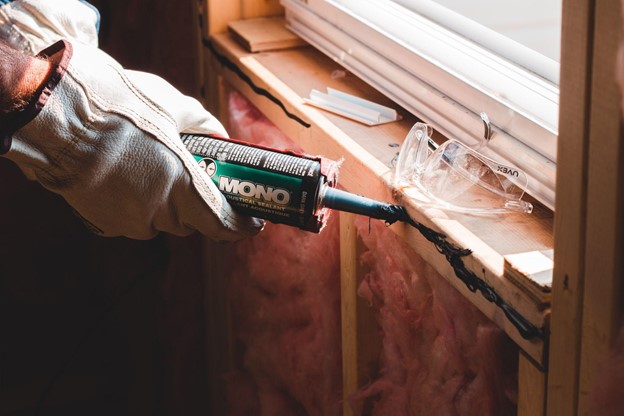
Not only can new windows help maximize the flow of natural light, but they can provide a better buffer against nature’s elements. Over time and with constant UV exposure, windows lose their insulative properties, developing leaks in their seals that allow the unwanted transfer of air and moisture.
Therefore, even if a complete window replacement is not the solution for a commercial building, it is important to follow best practices for applying sealants so that the existing windows are more airtight and weather-resistant to help control utility costs.
5. Flashing
On the topic of sealants, one of the best ways to ensure that a building’s envelope is airtight is through the application of liquid flashing. This is a type of fluid-based sealant that ensures continuous coverage around windows, doors, and transitions within the walls and ceilings. Liquid flashing flows into every crevice of the building, ensuring an airtight, waterproof seal against the unwanted transfer of air and moisture, doing wonders for keeping utility costs under control.
6. Maximize Automation
Finally, one of the best ways to limit utility consumption in a commercial building is through the use of automation throughout the structure. Some of the best places to use automation include:
● Doors to prevent conditioned air from hemorrhaging through a door that is left open
● Sinks and toilets to prevent excess water consumption
● Lights that automatically shut off after no motion is detected in the room for an extended period
The Best Ways to Reduce Commercial Utility Costs

There are many reasons that commercial businesses are motivated to control utility consumption. Not only does increased energy efficiency help ensure sustainable business practice, but it can also save the company thousands of dollars in yearly operating costs. Ideas such as conducting a blower door test, adding subfloor insulation, working with open spaces, replacing the windows, applying liquid flashing, and maximizing automation are 6 of the most innovative ways that commercial buildings can reduce utility costs.
Max Shafer is a contributor to the Innovative Building Materials blog. He is a content writer for the construction and home improvement industries with an interest in landscaping, outdoor remodeling, and interior design. Max is focused on educating homeowners, contractors, and architects on innovative materials and methods of construction that increase property value, improve sustainability, and create a warm and welcoming ambiance.
